How Long Does Fence Installation Take in Pittsburgh? A Start-to-Finish Timeline October 9, 2026 Comments: 0
You have decided you want a new fence. Now comes another important question: how long does fence installation take?
The answer depends on more than how long an installation crew spends in your yard. Before construction begins, homeowners may need to choose materials and layout, confirm property lines, meet local requirements, prepare the site, and coordinate scheduling.
For Pittsburgh homeowners, hills, limited access, changing weather, and conditions on established residential properties can also affect the process. Understanding the full timeline helps you know what to expect when planning residential fence installation in Pittsburgh.
How Long Does a Typical Fence Installation Take?
No single installation timeframe applies to every residential fence.
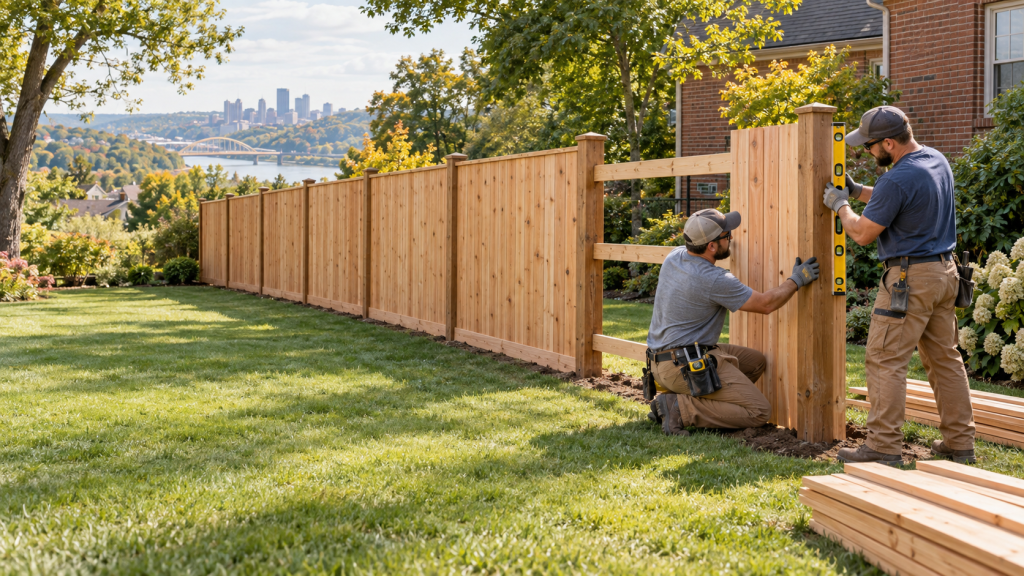
The physical installation is only one part of the overall fence project. Once work begins, the installation process generally includes laying out the fence, setting posts, installing panels or other fencing materials, completing gates, making necessary adjustments, and cleaning the work area.
The project timeline begins well before work starts. It may include:
- Requesting an estimate
- Choosing a fence material and style
- Determining the layout and gate locations
- Confirming property boundaries
- Checking permit or municipal requirements
- Ordering or preparing materials
- Scheduling installation
- Completing the physical installation
The amount of fencing involved also matters. A relatively short backyard fence is a different project from fencing the perimeter of a large property. Material, fence height, terrain, gate configuration, soil conditions, access, and weather can all influence how efficiently installation progresses.
These same considerations also affect fence cost, so identifying them early can help homeowners set more realistic expectations for both budget and schedule.
Ultimately, the most useful timeline comes from evaluating the specific property and fence design rather than relying on a generic number.
What Happens Before Fence Installation Begins?
When homeowners ask how long it takes to install a fence, they are often thinking primarily about construction. However, preparation can account for an important part of the overall project timeline.
Requesting an Estimate and Planning the Fence
Before scheduling installation, decide what you want the fence to accomplish.
Some homeowners need privacy. Others want to create a secure area for children or pets, define property boundaries, improve the yard’s appearance, or enclose more of the property.
Useful information to have available during the planning stage includes:
- Approximate linear footage
- Preferred fence material
- Desired fence height
- General layout
- Number and location of gates
- Budget
- Any known property or access concerns
Homeowners can prepare for the fence-buying process before requesting installation by thinking through these details early. Early decisions can reduce the need for major changes later.
Confirming Your Property Lines
Property boundaries should not be based on assumptions.
An existing fence, row of shrubs, driveway edge, or mowing pattern does not necessarily identify the legal property line. If boundaries are unclear, that uncertainty can create problems before installation begins or, in some cases, after a fence has already been installed.
Homeowners should establish property boundaries before finalizing the fence layout. Pittsburgh Fence recommends that property owners have their property professionally surveyed before installation.
Addressing boundary questions early can help prevent changes to the planned fence line and reduce the risk of placement disputes.
Checking Permits and Local Requirements
Fence requirements can vary by municipality. What applies to one Pittsburgh-area township or borough may not apply elsewhere.
Before moving forward, check the property’s applicable fence permit requirements. Regulations may affect factors such as placement, height, or other characteristics of the proposed fence.
If municipal or HOA approval applies to your project, addressing it early can help prevent administrative issues from affecting the installation schedule.
Does Fence Material Affect Installation Time?
Fence material can influence the installation process, although it is not accurate to assume that one material is always faster to install than another.
Fence length, property layout, terrain, number of gates, and design complexity all need to be considered alongside the material itself.
Wood Fence Installation
Wood fencing can involve numerous individual components. Depending on the style, construction may include setting posts and installing rails, pickets, boards, panels, gates, or decorative details.
Customization can also influence how long it takes to build a fence. A straightforward design on relatively level ground involves different installation considerations than a custom privacy fence that follows a slope or incorporates several gates.
Post placement matters because posts support the rest of the fence. Proper layout and proper fence post depth contribute to a stable finished installation.
If you’re wondering how long it takes to install a wood fence, the best answer depends on the amount of fencing, design, terrain, and construction method involved.
Vinyl Fence Installation
Vinyl fences frequently use sections or panels installed between posts. Although that system may appear straightforward, careful layout is still important.
Posts must be positioned correctly so sections fit as intended. Corners, grade changes, gates, and property contours can add additional considerations to the installation process.
A property with a simple layout and relatively level terrain will present different conditions than a hillside property with several changes in direction. For homeowners considering this material, professional vinyl fence installation accounts for both the fence system and the property’s characteristics.
Chain Link Fence Installation
Chain link fencing has its own installation sequence. A typical project may involve posts, rails, mesh, tensioning components, corners, and gates.
Long fence runs require accurate layout, and the mesh must be properly installed and tensioned. Uneven terrain can make that process more involved.
Because chain link is sometimes viewed as a relatively simple fencing option, homeowners may underestimate the importance of proper installation. Professional chain link installation can be particularly valuable when the yard is uneven, or the project includes corners, gates, or long runs.
Aluminum and Ornamental Fencing
Aluminum, wrought iron, and other ornamental fencing options also require careful post placement, spacing, alignment, and gate installation.
Design details and terrain can influence the process. For example, installing ornamental sections across a sloped yard may require a different approach from installing the same type of fencing on a level lot.
Rather than choosing a fence material based primarily on assumed installation speed, homeowners should consider which option best fits their property, maintenance preferences, privacy needs, and overall goals.
Why Pittsburgh Properties Can Affect Your Fence Installation Timeline
Pittsburgh’s landscape is one reason fence installation timelines should be based on the individual property.
Sloped Yards
Many Western Pennsylvania properties are not perfectly level. A slope can affect fence layout, post placement, and how sections follow the terrain.
Depending on the fencing system and property, installation approaches can include stepped sections, rackable panels, or other methods of following the grade.
Homeowners with significant elevation changes should discuss installing a fence on a sloped yard during the planning stage rather than treating the slope as an installation-day detail.
Difficult Access
Access can also affect how the work gets done.
Pittsburgh-area residential properties may include narrow side yards, retaining walls, established landscaping, sheds, decks, neighboring structures, or other features near the proposed fence line.
When equipment or materials cannot easily reach part of the property, additional handling or site preparation may be required. Pointing out access concerns during the estimate allows the installer to account for them before work starts.
Ground Conditions
What is below the surface also matters when fence posts need to be installed.
Rocks, large roots, old concrete, remnants of previous fence posts, and other buried obstructions can add labor when encountered. These conditions aren’t present on every property, but they show why two fences with similar dimensions can still have different installation timelines.
Do Gates Make Fence Installation Take Longer?
Gates add components to the fence and require careful positioning, alignment, and adjustment.
A basic walk gate is not the same installation as several gates or a large entrance intended for vehicles. Gate posts must support the opening, while hinges, latches, and other hardware must operate correctly once installation is complete.
Double gates, driveway gates, and properties requiring multiple access points can therefore add complexity to the project.
If gates are part of your plan, decide where they should be located as early as possible. Consider everyday use, mowing equipment, pets, vehicles, sidewalks, and how people typically move through the property.
Can Pittsburgh Weather Delay Fence Installation?
Weather can affect fence installation, but that doesn’t mean fencing can only be installed during one season.
Certain conditions can influence scheduling or the work taking place on the property. Heavy rain may saturate the soil or create muddy working conditions. Snow, frozen ground, storms, and other severe weather can also affect site work.
The effect depends on the property conditions and the work that needs to be completed.
Because homeowners and installers can’t control the weather, some flexibility helps when planning your fence installation. If weather could affect an upcoming project, the installer can provide information based on current site conditions and the installation schedule.
How Can You Help Keep Your Fence Installation on Schedule?
Homeowners cannot control every part of the fence installation process, but good preparation can reduce avoidable complications.
Before installation begins:
- Obtain your property survey early.
- Decide where you want the fence and gates located.
- Select your fence material and style.
- Address applicable HOA or municipal requirements.
- Make sure the fence line is accessible.
- Move patio furniture, toys, decorations, and other movable objects away from the work area.
- Tell the installer about landscaping, retaining walls, or known underground obstacles.
- Keep pets safely away from the installation area.
- Ask questions and request changes before construction whenever possible.
It can also help to discuss property lines and your neighbors before installation, especially when fencing will be placed close to a shared boundary.
The more information your installer has before arriving, the easier it is to plan for the property’s actual conditions.
Fence Installation Timeline FAQs
Can a fence be installed in one day?
Some smaller or relatively straightforward projects may move quickly, but don’t assume a one-day installation. Fence length, material, terrain, gates, soil conditions, access, and other site factors all influence the amount of work required.
How far in advance should I schedule my fence installation?
Scheduling lead time is different from installation time. Availability can depend on project demand, material availability, season, and the specifics of your project. When requesting an estimate, ask Pittsburgh Fence about current scheduling rather than relying on a general timeframe.
Do I need to be home during fence installation?
Requirements can vary depending on the installer and project. Confirm this with Pittsburgh Fence before installation day so you know whether someone needs to be available and how they’ll handle questions or access needs.
Does an old fence have to be removed first?
If an existing fence occupies the area where the new fence will be installed, the project plan may need to include removal. Discuss the existing fence during your estimate. Homeowners can also learn more about removing an old wooden fence before planning replacement.
Get a Timeline for Your Pittsburgh Fence Project
The best way to determine how long your fence project will take is to evaluate the actual property, fence layout, material, gates, terrain, and site conditions.
Pittsburgh Fence Company provides residential fence installation throughout Western Pennsylvania. Contact the team to discuss your fencing plans, request an estimate, and get project-specific information about the installation process.

As the owner of Pittsburgh Fence Co, Inc. Jeff has had decades of experience installing fences on businesses and homes throughout Pittsburgh.