Month: June 2026

Vinyl vs. Composite Fencing: Which Is Best for Your Pittsburgh Home?

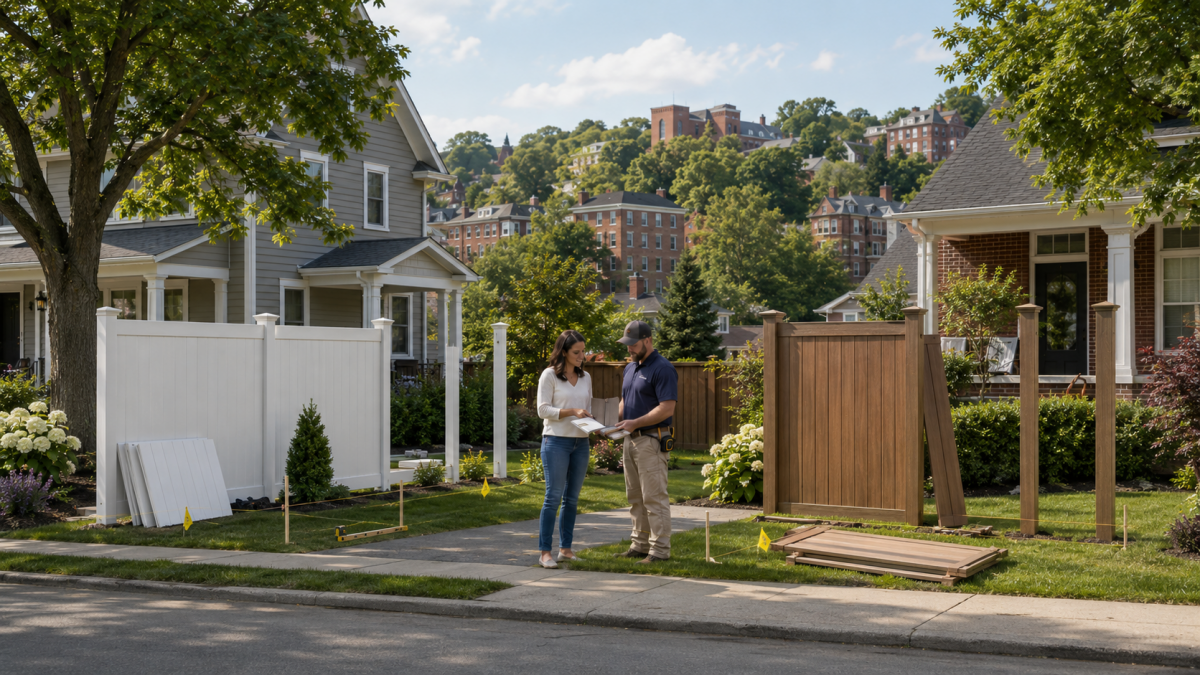
Choosing the right fence material is an important decision for any homeowner. A fence can add privacy, define property lines, help contain pets, and improve the overall look of an outdoor space. For many homeowners comparing fence installation options in Pittsburgh, vinyl and composite fencing are common alternatives to traditional wood.

Both materials are known for durability and lower maintenance, but they are not the same. The right choice depends on your budget, style preferences, property layout, and long-term expectations.

Why Pittsburgh Homeowners Compare Vinyl and Composite Fences

Vinyl and composite fences are often compared because both offer a lower-maintenance option than wood. Pittsburgh homeowners also need to think about the local weather. Rain, snow, summer humidity, and freeze-thaw cycles can all affect how a fence performs over time.

Many homeowners want a fence that resists rot, moisture, and pests. Others want a privacy fence without the routine painting, staining, or sealing that wood often requires. Curb appeal and long-term value also matter, especially for homeowners planning outdoor upgrades.

Professional installation is also important. Proper post setting, grading, gate placement, and layout all affect how well a fence performs.

What Is Vinyl Fencing?

Vinyl fencing is made from PVC and is known for its clean appearance, moisture resistance, and low maintenance. It does not need to be painted or stained, which makes it appealing for homeowners who want a practical fence with a neat, finished look.

Common vinyl fence styles include privacy, picket, semi-private, and decorative designs. Homeowners searching for vinyl fence installers are often looking for a durable, low-maintenance fence that works well for family yards, pets, and property boundaries.

Pittsburgh Fence Company offers vinyl fencing installation for homeowners in Pittsburgh who want a clean, reliable fencing material that comes in many styles.

What Is Composite Fencing?

Composite fencing is usually made from a blend of recycled plastic and wood fibers. It is designed to provide a more wood-like appearance while reducing many of the maintenance demands that come with traditional wood fencing.

Composite often has a warmer, more natural look than vinyl. It is typically heavier and denser, and many homeowners consider it a premium option because of its texture and appearance. Product quality can vary by manufacturer, so it is important to compare materials carefully before choosing a system.

Appearance: Clean and Classic vs. Warm and Wood-Like

One of the biggest differences between vinyl and composite fencing is appearance.

Vinyl fencing has a smooth, clean, and uniform look. It is often available in white, tan, gray, and other neutral colors. This makes it a good fit for traditional, suburban, and modern homes. Vinyl can create a bright, polished appearance, especially for privacy fencing and front-yard accents.

Composite fencing usually has a more natural or wood-like appearance. It is often available in earth tones and textured finishes, which may blend well with landscaping, rustic home styles, and outdoor living spaces.

The best choice depends on your home’s architecture, landscaping, and personal preference.

Durability in Pittsburgh Weather

Pittsburgh weather can be hard on outdoor materials. A fence needs to handle moisture, snow, temperature swings, and changing ground conditions.

Vinyl fencing does not rot or attract termites. It also resists moisture well, which is one reason it is popular for residential fence installation. Quality vinyl can hold up well over time, but lower-quality products may crack or become brittle. Professional installation helps reduce issues with leaning, shifting, and gate alignment.

Composite fencing is also resistant to rot and insect damage. Because it is dense and sturdy, it may handle impact well depending on the product. However, composite materials can expand and contract, so correct spacing and installation are important.

For both materials, product quality and installation quality matter.

Maintenance Requirements

Both vinyl and composite fencing are lower maintenance than wood, but vinyl is often the easier material to care for.

Vinyl fencing usually only needs occasional rinsing or washing. It does not require staining, painting, or sealing. Dirt, pollen, and mildew can usually be cleaned with basic washing.

Composite fencing is also considered low maintenance. It may need occasional cleaning to prevent surface buildup, and it does not require the same staining or sealing schedule as traditional wood. Some composite products may show fading or staining depending on the material quality and exposure.

The main takeaway is simple: vinyl is often the easiest to maintain, while composite offers a more natural look with relatively low upkeep.

Privacy and Security

Both vinyl and composite fencing can work well for privacy and property boundaries. Vinyl privacy panels are a common choice for backyards, pools, pets, and family spaces. Composite privacy fencing can provide a more upscale appearance while still creating separation.

Material is only one part of the decision. Fence height, gate design, property layout, and local requirements also matter. Homeowners should check rules for front yards, corner lots, and pool fencing, as well as HOA guidelines when applicable.

For help planning residential fence installation, working with a local fence company can make the process easier.

Cost Comparison: Vinyl vs. Composite Fencing

Vinyl fencing is generally more budget-friendly than composite. It can offer strong value for homeowners who want privacy, low maintenance, and a clean appearance without choosing a higher-cost material. Vinyl may also be a practical choice for larger yards where total linear footage has a major impact on cost.

Composite fencing often has a higher upfront cost. It may appeal to homeowners who are focused on appearance, design value, and a more wood-like finish. For premium outdoor spaces, composite can be worth considering.

Exact pricing depends on fence height, style, yard size, gates, terrain, old fence removal, and installation details.

Which Fence Is Better for Pets and Families?

Vinyl fencing may be a strong choice for families who want a clean, private fence, a secure backyard for dogs, and easy cleanup. It offers a balance of value, durability, and low maintenance.

Composite fencing may be a better fit for homeowners who want a more custom or upscale appearance. It can work well around outdoor living spaces, natural landscaping, or homes with wood-inspired design features. It is often best for homeowners who are comfortable investing more up front for appearance.

Environmental Considerations

Composite fencing often includes recycled materials, which may appeal to homeowners who are thinking about sustainability. Vinyl fencing is long-lasting and does not require paint, stain, or chemical sealers, but it is made from PVC.

Because product details vary, homeowners should compare specific materials before making environmental claims. A local installer can help explain what each product offers.

Installation Matters More Than Many Homeowners Realize

Even the best fence material can underperform if it is installed incorrectly. Posts must be set properly, gates need the right alignment and hardware, and sloped yards require planning. Property lines should be confirmed before installation, and utility lines should be marked before digging.

Local codes, HOA rules, and pool safety requirements may also apply. For fence installation in Pittsburgh, it helps to work with a company familiar with Pittsburgh-area yards, slopes, neighborhoods, and weather conditions.

When Vinyl Fencing Is the Better Choice

Vinyl fencing is a great choice for homeowners who want a clean, classic look, a lower upfront cost than composite, and very low maintenance. It works well for privacy fencing, family yards, and pet areas. It also resists moisture, rot, and insects.

Homeowners interested in newer style options can also learn more about modern vinyl fence innovations.

When Composite Fencing Is the Better Choice

Composite fencing may be better for homeowners who want a more natural, wood-like appearance. It can be a strong option for outdoor living areas, earth-tone color palettes, and properties where design is a top priority.

Composite offers lower maintenance than wood, but it usually requires a higher upfront investment than vinyl.

Vinyl vs. Composite Fencing: Quick Comparison

Vinyl fencing is often the more practical choice for Pittsburgh homeowners who want a clean appearance, strong privacy, and very low maintenance at a more manageable upfront cost. It works well for backyards, pet areas, pools, and larger properties where budget and long-term upkeep are important. Vinyl typically has a smooth, uniform look and is commonly available in neutral colors such as white, tan, and gray.

Composite fencing is usually a better fit for homeowners who want a warmer, more wood-like appearance and are willing to invest more upfront for style. It can work well for outdoor living areas, landscaped spaces, and homes where a textured or natural-looking fence better matches the property. Like vinyl, composite can provide strong privacy and weather resistance when quality materials are installed correctly. Still, it may require a bit more attention to cleaning and surface care over time.

So, Which Fence Material Should You Choose?

Vinyl is often the best fit for Pittsburgh homeowners who want a durable, attractive, low-maintenance fence at a practical price. Composite is a strong option for homeowners who want a more natural or upscale look and are comfortable with a higher initial investment.

This decision should depend on your budget, desired appearance, property layout, privacy needs, maintenance expectations, and long-term plans for the home.

Talk to Pittsburgh Fence Company About Residential Fence Installation

If you are planning to install a fence in Pittsburgh, Pittsburgh Fence Company can help you compare materials, styles, and layouts for your home. Whether you are looking for experienced vinyl fence installers or guidance on the best residential fencing option for your property, our team can help you choose a fence that fits your needs, property, and goals.
Can Fences Be Repaired?

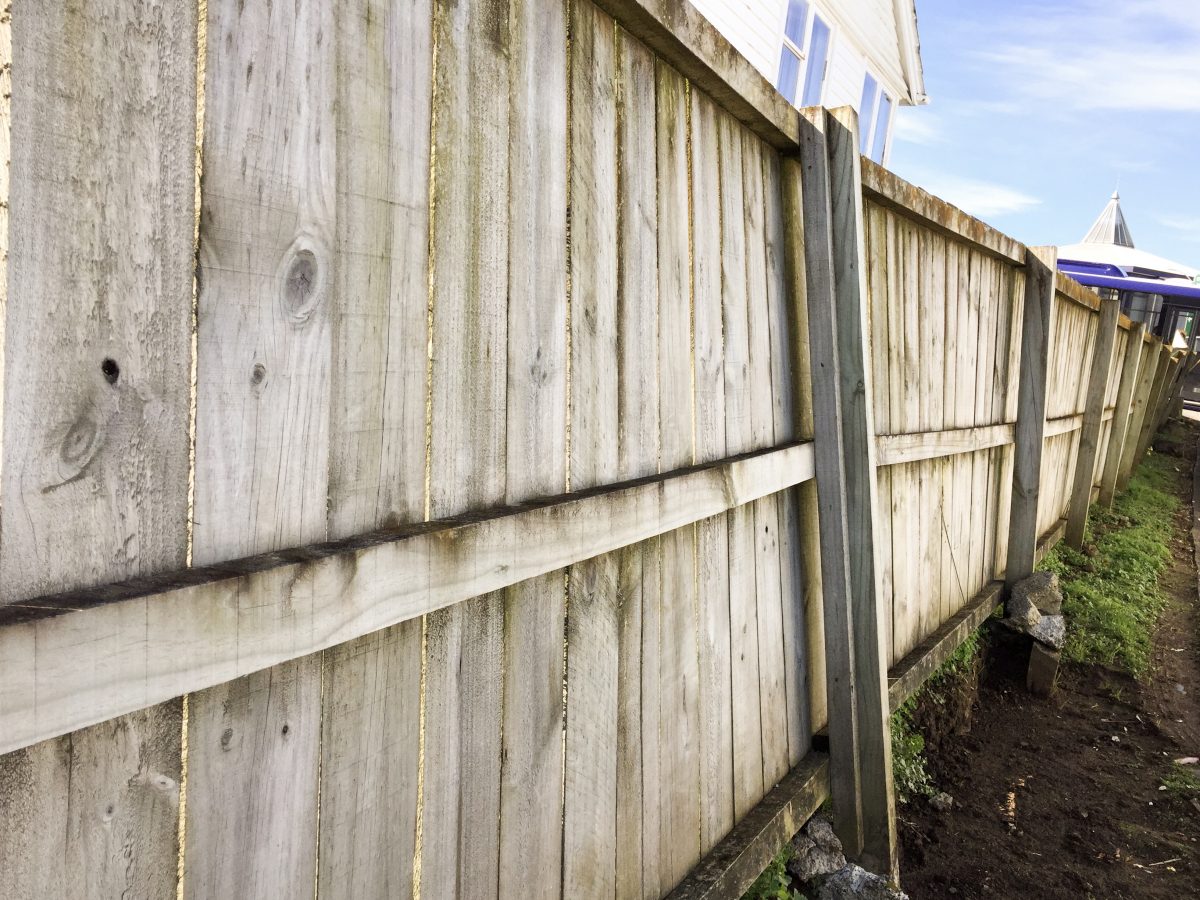
A damaged fence does not always mean you need a new one. If your fence is leaning, cracked, rusted, missing boards, or showing signs of storm damage, repair may still be an option. The right choice depends on the fence material, the type of damage, the fence’s age, and whether the structure is still stable.

For Pittsburgh and Western Pennsylvania homeowners, fences take a lot of abuse over time. Wet springs, freeze-thaw cycles, heavy storms, soil movement, falling branches, and everyday aging can all affect how a fence performs. In many cases, repairing a damaged section is the more cost-effective choice. It can also be the more eco-conscious option because it helps extend the life of usable materials instead of sending them to a landfill too soon.

However, not every fence is worth repairing. Some fences are easy to fix in sections, while others become harder to match, stabilize, or restore once the damage spreads. Understanding how different fence materials break can help you decide whether repair makes sense or whether replacement would be a better long-term investment.

How Different Fences Break

Every fence material wears down differently. A wood fence may rot or warp, while vinyl may crack from impact. Chain link can rust, sag, or bend. Because of this, the repair process depends heavily on the type of fence you have and the severity of the damage.

How Wood Fences Break

Wood fences are common throughout Pittsburgh because they offer privacy, a natural look, and design flexibility. They are also one of the most repairable fence materials when the damage is limited to specific boards, rails, or posts.

Common wood fence problems include rot at the base of posts or pickets, warped boards, cracked or split boards, loose rails, missing pickets, leaning sections, insect damage, storm damage, and sagging gates. Gates often show problems sooner than other areas because they move regularly and place stress on hinges and posts.

Moisture is one of the biggest concerns with wood fencing. In Western Pennsylvania, wet weather and seasonal changes can cause wood to swell, shrink, or weaken over time. If the damage is isolated, a professional can replace individual pickets, rails, or posts without replacing the entire fence.

Homeowners considering repairs should also consider the condition of the rest of the fence. If most of the boards are still solid and the posts are stable, repair may be a practical choice. If rot or warping is widespread, installing a new wood fence may provide better long-term value.

How Vinyl Fences Break

Vinyl fences are known for being low-maintenance, but they can still be damaged. Common issues include cracked panels, broken rails, loose posts, impact damage from lawn equipment, gate alignment problems, brittle sections, discoloration, and surface staining.

Unlike wood, vinyl is not usually patched in the same way. If a panel or rail cracks, that piece often needs to be replaced. This can work well when matching parts are available. However, repairs can become more complicated if the fence style, color, or manufacturer is no longer available.

Vinyl fences can be a good option for homeowners who want a clean look with less maintenance. Pittsburgh Fence Company also notes that vinyl fencing is recyclable and made from non-toxic materials, which may appeal to eco-conscious homeowners. If an existing vinyl fence has only one damaged section, repair may be enough. If several panels are brittle, faded, or mismatched, vinyl fence installation may be the better option.

How Chain Link Fences Break

Chain link fences are often easy to repair because many of their parts can be replaced individually. Common chain link fence problems include bent posts, rusted or corroded mesh, loose tension wire, sagging fabric, damaged gates, bent top rails, storm damage, vehicle impact damage, and buildup from weeds, vines, or debris.

One advantage of chain link fencing is that damaged mesh, rails, fittings, and posts can often be repaired or replaced without disturbing the entire fence line. These repairs are practical for many homeowners, especially when the damage is limited to one area.

However, chain link repair may not be enough if corrosion has spread across the fence, several posts are shifting, or the fence no longer meets the homeowner’s needs for pets, security, or boundaries. In those situations, a new chain link fence installation may be a more reliable choice.

Which Fences Can Be Repaired?

Most fences can be repaired in some situations. The bigger question is whether repair is the best use of your money. A small repair may make sense for a newer fence, while repeated repairs on an older fence may cost more over time.

Wood Fences Are Often the Easiest to Repair

Wood fences are usually easy to repair when the damage is limited to individual boards, rails, or sections. If a few pickets are missing, one rail has failed, or a single post is leaning, repair may restore the fence without requiring full replacement.

Good repair candidates include a few damaged pickets, one broken rail, a single leaning post, minor gate sagging, isolated rot, and storm damage limited to one section. In these cases, repair can help preserve the existing fence and delay the need for replacement.

Poor repair candidates include fences with widespread rot, multiple failing posts, fence-wide warping, severe insect damage, or a fence that is nearing the end of its usable life. When the structure is no longer dependable, replacing a few boards may only provide a temporary fix.

Homeowners comparing repairs to a wood fence with installing a new fence should consider whether the existing fence is structurally sound or whether a new installation would provide better long-term value.

Vinyl Fences Can Be Repaired, But Matching Parts Can Be a Challenge

Vinyl fence repair is often possible when panels, rails, caps, or gates can be replaced. A single cracked panel, a broken cap, a loose rail, a gate hardware issue, or a single damaged section from impact may be repairable.

The challenge is matching the existing fence. Older vinyl styles or colors may no longer be available. Even when a replacement part fits, it may look slightly different if the original fence has faded over time.

Poor repair candidates include fences with several brittle panels, discontinued colors or styles, poor original installation, multiple loose posts, or UV damage across many sections. In those cases, replacement may create a cleaner, more uniform look.

For homeowners who want a lower-maintenance option, low-maintenance vinyl fence installation can be worth considering when repair will not restore the fence’s appearance or stability.

Chain Link Fences Are Usually Very Repairable

Chain link fence repair is often practical because individual components can be replaced without rebuilding the entire fence line. Damaged mesh, bent top rails, loose tension wire, damaged gates, one or two bent posts, and localized rust may all be repairable.

Chain link is often chosen because it is affordable and functional. If the fence still meets your needs and the damage is limited, repair can be a smart choice.
However, repair may not be the best option if the fence has severe corrosion throughout, multiple posts shifting, fabric pulling away across long sections, major impact damage, or no longer meets your privacy, pet, or security needs.

For homeowners who need a durable, affordable perimeter solution, chain-link fence installation may be the better option when the current fence is badly rusted or structurally unstable.

Is It Worth It to Repair a Fence?

Fence repair is usually worth it when the damage is isolated, and the rest of the fence remains stable. A replacement may be smarter when repairs keep adding up, or the fence no longer serves its purpose.

Repair Is Usually Worth It When the Damage Is Isolated

Repair often makes sense when the fence is relatively new, the posts are still stable, the damage affects only one or two sections, matching materials are available, and the fence still serves its main purpose.

Repair may also be the better choice when the cost is significantly lower than replacement. For eco-conscious homeowners, repairing usable materials can reduce waste and extend the life of an existing fence.

For example, a wood fence with one damaged rail may not need to be replaced. A vinyl fence with one cracked panel may only need a replacement section. A chain-link fence with a bent top rail may be repaired without replacing the entire fence.

Replacement May Be Smarter When Repairs Keep Adding Up

Repeated repairs can become more expensive than installing a new fence. If several sections are failing, posts are rotted or leaning, gates no longer close properly, or the fence no longer provides privacy or security, replacement may be the better value.

Replacement may also make sense if the material is outdated or hard to match, the fence was poorly installed originally, or the homeowner plans to sell the home and wants a cleaner appearance.

Each property is different. A professional fence company can evaluate the condition of the fence, explain repair options, and help you decide whether repair or replacement is the better investment.

Consider the Age of the Fence

A newer fence with isolated damage is usually a good candidate for repair. A middle-aged fence may need a professional inspection to compare repair costs with its remaining useful life. An older fence with widespread structural issues may be better replaced.

It is important not to look at age alone. A well-maintained older fence may still be repairable, while a newer fence with poor installation or unstable posts may need more than a simple repair.

Consider the Purpose of the Fence

The repair-or-replace decision also depends on why the fence exists. A fence may be used for privacy, pet containment, child safety, pool safety, property boundaries, security, curb appeal, noise reduction, or garden protection.

If the existing fence still does its job, repair may be enough. If it no longer meets your needs, replacing it with a better-suited material may be more cost-effective in the long run.

Challenges Faced When Trying to Repair a Fence

Fence repair can look simple from the outside, but some problems are not obvious until the fence is inspected closely.

Matching Existing Materials

Older fences can be difficult to match. Wood weathers over time, vinyl colors and profiles may be discontinued, and chain link coatings can fade or rust. Even when a repair is structurally sound, it may not blend perfectly with the existing fence.

Hidden Post Damage

A fence may look like it only has damaged panels, but the real issue may be underground. Posts can rot, shift, rust, or loosen in the soil. In Pittsburgh, saturated ground and freeze-thaw cycles can make leaning posts worse over time.

Uneven Ground or Soil Movement

Hills, slopes, drainage problems, and erosion can complicate fence repair. If the ground has shifted, a replacement section may not line up correctly with the rest of the fence.

Gate Alignment Problems

Gates are high-stress areas. A sagging gate may involve more than worn hinges. It can also point to post movement, poor original installation, or structural strain.

Damage From Trees, Vines, and Landscaping

Vegetation can cause or hide fence damage. Vines can bend chain link, trap moisture against wood, stain vinyl, and make it harder to see small problems before they grow.

DIY Repairs Can Create Bigger Problems

Some minor fence repairs may seem manageable, but temporary fixes can fail if the post, rail, or foundation issue is not addressed. Poorly repaired sections can also affect curb appeal and reduce the fence’s overall stability.

Repair or Replace? Questions Pittsburgh Homeowners Should Ask

Before deciding, ask these questions:

  • Is the damage limited to one small area?
  • Are the posts still straight and stable?
  • Can matching materials be found?
  • Is the fence still serving its main purpose?
  • Has the fence needed repeated repairs?
  • Is the repair cost close to the cost of replacement?
  • Would a new fence improve security, privacy, or curb appeal?
  • Are you planning other outdoor upgrades soon?

If you are unsure, a professional inspection can help you avoid spending money on repairs that may not last.

The Most Eco-Friendly Fence Is Often the One That Lasts

Eco-conscious homeowners may assume repair is always the greener choice. In many cases, it is. Repairing usable materials can reduce waste and extend the life of a fence that still has a sound structure.

However, repeated short-term repairs on a failing fence can waste money and materials. The more sustainable choice is usually the option that provides the best long-term performance.

Wood is natural and repairable, but it needs maintenance. Vinyl is low-maintenance, recyclable, and made from non-toxic materials. Chain link is durable, affordable, and often repairable in sections.

A professional fence company can help homeowners balance budget, function, durability, and environmental priorities when choosing between repair and replacement.

When to Call Pittsburgh Fence Company

You should consider calling Pittsburgh Fence Company if your fence is leaning, posts feel loose, a gate will not close, panels are cracked or missing, wood is rotting, chain link fabric is sagging, or storm damage affects multiple sections.

It is also worth calling if you are not sure whether repair or replacement makes more sense. A professional can inspect the fence, identify hidden structural issues, and explain your options.

Pittsburgh Fence Company has provided fencing services in Western Pennsylvania for over 50 years and serves residential, commercial, and industrial customers. Before you spend money on temporary repairs or assume your entire fence needs to be replaced, contact Pittsburgh Fence Company.

Our team can evaluate your fence, explain your repair options, and help you decide whether repair or new installation is the smarter long-term investment.

Contact us today to get started!

FAQs About Fence Repair

Can a leaning fence be repaired?

Yes, sometimes. If the issue is limited to one or two loose posts, the fence may be repairable. If many posts are shifting, rotting, or unstable, replacement may be more cost-effective.

Is it cheaper to repair or replace a fence?

Repair is usually cheaper when the damage is isolated. Replacement may be the better value when the fence has widespread damage, repeated failures, or no longer meets the homeowner’s needs.

Can vinyl fence panels be repaired?

Minor vinyl fence damage may be handled by replacing individual panels, rails, caps, or hardware. Matching older vinyl styles or colors can be difficult, so a professional inspection can help determine the best option.

Can a chain link fence be repaired?

Yes. Chain link fences are often very repairable because mesh, rails, posts, gates, and fittings can often be replaced individually.

When should I replace my wood fence rather than repair it?

Consider replacing the fence if it has widespread rot, multiple failing posts, significant warping, or ongoing repair needs. In those cases, a new professional wood fence installation may provide better long-term value.