Vinyl vs. Composite Fencing: Which Is Best for Your Pittsburgh Home? August 6, 2026 Comments: 0
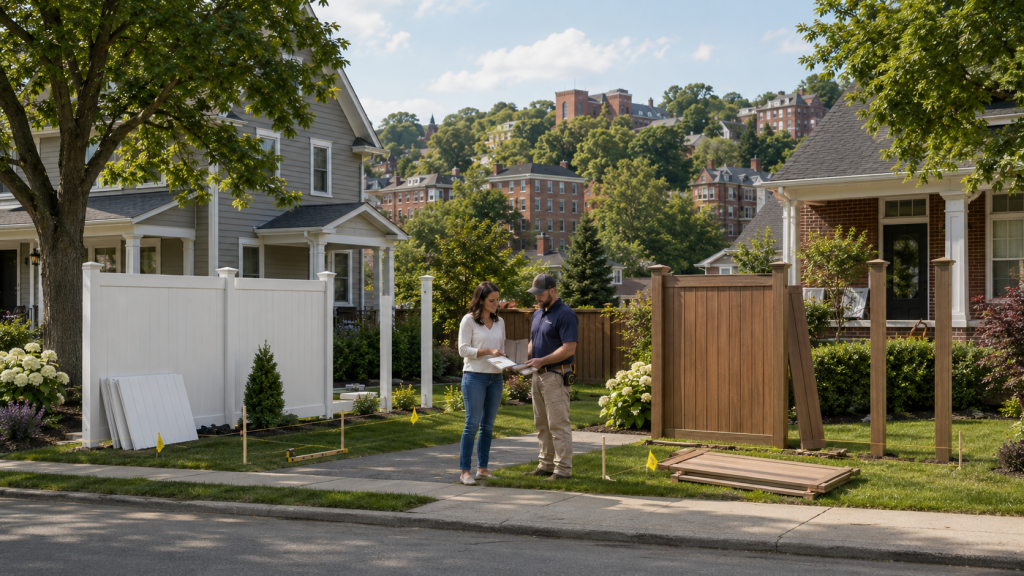
Choosing the right fence material is an important decision for any homeowner. A fence can add privacy, define property lines, help contain pets, and improve the overall look of an outdoor space. For many homeowners comparing fence installation options in Pittsburgh, vinyl and composite fencing are common alternatives to traditional wood.
Both materials are known for durability and lower maintenance, but they are not the same. The right choice depends on your budget, style preferences, property layout, and long-term expectations.
Why Pittsburgh Homeowners Compare Vinyl and Composite Fences
Vinyl and composite fences are often compared because both offer a lower-maintenance option than wood. Pittsburgh homeowners also need to think about the local weather. Rain, snow, summer humidity, and freeze-thaw cycles can all affect how a fence performs over time.
Many homeowners want a fence that resists rot, moisture, and pests. Others want a privacy fence without the routine painting, staining, or sealing that wood often requires. Curb appeal and long-term value also matter, especially for homeowners planning outdoor upgrades.
Professional installation is also important. Proper post setting, grading, gate placement, and layout all affect how well a fence performs.
What Is Vinyl Fencing?
Vinyl fencing is made from PVC and is known for its clean appearance, moisture resistance, and low maintenance. It does not need to be painted or stained, which makes it appealing for homeowners who want a practical fence with a neat, finished look.
Common vinyl fence styles include privacy, picket, semi-private, and decorative designs. Homeowners searching for vinyl fence installers are often looking for a durable, low-maintenance fence that works well for family yards, pets, and property boundaries.
Pittsburgh Fence Company offers vinyl fencing installation for homeowners in Pittsburgh who want a clean, reliable fencing material that comes in many styles.
What Is Composite Fencing?
Composite fencing is usually made from a blend of recycled plastic and wood fibers. It is designed to provide a more wood-like appearance while reducing many of the maintenance demands that come with traditional wood fencing.
Composite often has a warmer, more natural look than vinyl. It is typically heavier and denser, and many homeowners consider it a premium option because of its texture and appearance. Product quality can vary by manufacturer, so it is important to compare materials carefully before choosing a system.
Appearance: Clean and Classic vs. Warm and Wood-Like
One of the biggest differences between vinyl and composite fencing is appearance.
Vinyl fencing has a smooth, clean, and uniform look. It is often available in white, tan, gray, and other neutral colors. This makes it a good fit for traditional, suburban, and modern homes. Vinyl can create a bright, polished appearance, especially for privacy fencing and front-yard accents.
Composite fencing usually has a more natural or wood-like appearance. It is often available in earth tones and textured finishes, which may blend well with landscaping, rustic home styles, and outdoor living spaces.
The best choice depends on your home’s architecture, landscaping, and personal preference.
Durability in Pittsburgh Weather
Pittsburgh weather can be hard on outdoor materials. A fence needs to handle moisture, snow, temperature swings, and changing ground conditions.
Vinyl fencing does not rot or attract termites. It also resists moisture well, which is one reason it is popular for residential fence installation. Quality vinyl can hold up well over time, but lower-quality products may crack or become brittle. Professional installation helps reduce issues with leaning, shifting, and gate alignment.
Composite fencing is also resistant to rot and insect damage. Because it is dense and sturdy, it may handle impact well depending on the product. However, composite materials can expand and contract, so correct spacing and installation are important.
For both materials, product quality and installation quality matter.
Maintenance Requirements
Both vinyl and composite fencing are lower maintenance than wood, but vinyl is often the easier material to care for.
Vinyl fencing usually only needs occasional rinsing or washing. It does not require staining, painting, or sealing. Dirt, pollen, and mildew can usually be cleaned with basic washing.
Composite fencing is also considered low maintenance. It may need occasional cleaning to prevent surface buildup, and it does not require the same staining or sealing schedule as traditional wood. Some composite products may show fading or staining depending on the material quality and exposure.
The main takeaway is simple: vinyl is often the easiest to maintain, while composite offers a more natural look with relatively low upkeep.
Privacy and Security
Both vinyl and composite fencing can work well for privacy and property boundaries. Vinyl privacy panels are a common choice for backyards, pools, pets, and family spaces. Composite privacy fencing can provide a more upscale appearance while still creating separation.
Material is only one part of the decision. Fence height, gate design, property layout, and local requirements also matter. Homeowners should check rules for front yards, corner lots, and pool fencing, as well as HOA guidelines when applicable.
For help planning residential fence installation, working with a local fence company can make the process easier.
Cost Comparison: Vinyl vs. Composite Fencing
Vinyl fencing is generally more budget-friendly than composite. It can offer strong value for homeowners who want privacy, low maintenance, and a clean appearance without choosing a higher-cost material. Vinyl may also be a practical choice for larger yards where total linear footage has a major impact on cost.
Composite fencing often has a higher upfront cost. It may appeal to homeowners who are focused on appearance, design value, and a more wood-like finish. For premium outdoor spaces, composite can be worth considering.
Exact pricing depends on fence height, style, yard size, gates, terrain, old fence removal, and installation details.
Which Fence Is Better for Pets and Families?
Vinyl fencing may be a strong choice for families who want a clean, private fence, a secure backyard for dogs, and easy cleanup. It offers a balance of value, durability, and low maintenance.
Composite fencing may be a better fit for homeowners who want a more custom or upscale appearance. It can work well around outdoor living spaces, natural landscaping, or homes with wood-inspired design features. It is often best for homeowners who are comfortable investing more up front for appearance.
Environmental Considerations
Composite fencing often includes recycled materials, which may appeal to homeowners who are thinking about sustainability. Vinyl fencing is long-lasting and does not require paint, stain, or chemical sealers, but it is made from PVC.
Because product details vary, homeowners should compare specific materials before making environmental claims. A local installer can help explain what each product offers.
Installation Matters More Than Many Homeowners Realize
Even the best fence material can underperform if it is installed incorrectly. Posts must be set properly, gates need the right alignment and hardware, and sloped yards require planning. Property lines should be confirmed before installation, and utility lines should be marked before digging.
Local codes, HOA rules, and pool safety requirements may also apply. For fence installation in Pittsburgh, it helps to work with a company familiar with Pittsburgh-area yards, slopes, neighborhoods, and weather conditions.
When Vinyl Fencing Is the Better Choice
Vinyl fencing is a great choice for homeowners who want a clean, classic look, a lower upfront cost than composite, and very low maintenance. It works well for privacy fencing, family yards, and pet areas. It also resists moisture, rot, and insects.
Homeowners interested in newer style options can also learn more about modern vinyl fence innovations.
When Composite Fencing Is the Better Choice
Composite fencing may be better for homeowners who want a more natural, wood-like appearance. It can be a strong option for outdoor living areas, earth-tone color palettes, and properties where design is a top priority.
Composite offers lower maintenance than wood, but it usually requires a higher upfront investment than vinyl.
Vinyl vs. Composite Fencing: Quick Comparison
Vinyl fencing is often the more practical choice for Pittsburgh homeowners who want a clean appearance, strong privacy, and very low maintenance at a more manageable upfront cost. It works well for backyards, pet areas, pools, and larger properties where budget and long-term upkeep are important. Vinyl typically has a smooth, uniform look and is commonly available in neutral colors such as white, tan, and gray.
Composite fencing is usually a better fit for homeowners who want a warmer, more wood-like appearance and are willing to invest more upfront for style. It can work well for outdoor living areas, landscaped spaces, and homes where a textured or natural-looking fence better matches the property. Like vinyl, composite can provide strong privacy and weather resistance when quality materials are installed correctly. Still, it may require a bit more attention to cleaning and surface care over time.
So, Which Fence Material Should You Choose?
Vinyl is often the best fit for Pittsburgh homeowners who want a durable, attractive, low-maintenance fence at a practical price. Composite is a strong option for homeowners who want a more natural or upscale look and are comfortable with a higher initial investment.
This decision should depend on your budget, desired appearance, property layout, privacy needs, maintenance expectations, and long-term plans for the home.
Talk to Pittsburgh Fence Company About Residential Fence Installation
If you are planning to install a fence in Pittsburgh, Pittsburgh Fence Company can help you compare materials, styles, and layouts for your home. Whether you are looking for experienced vinyl fence installers or guidance on the best residential fencing option for your property, our team can help you choose a fence that fits your needs, property, and goals.

As the owner of Pittsburgh Fence Co, Inc. Jeff has had decades of experience installing fences on businesses and homes throughout Pittsburgh.