Wood Fence Installation and Care in Pittsburgh April 1, 2026 Comments: 0
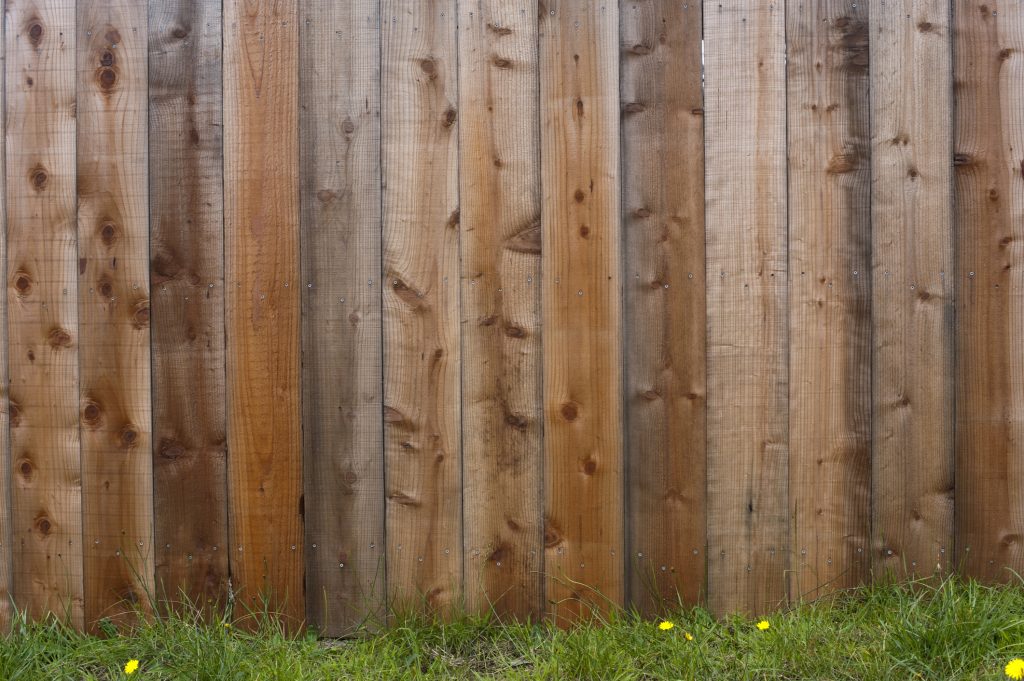
In Pittsburgh, a wood fence has to deal with more than everyday wear. Freeze-thaw cycles, wet springs, shaded backyards, and heavy clay soil can all keep moisture where it should not stay for long. A wood fence usually holds up well here when the installation is done correctly from the start, and the maintenance plan stays simple and consistent.
This guide covers the basics that matter most to homeowners before and after installation. We will look at rot prevention, post hole depth, choosing the right wood (pine versus cedar), how cedar ages, finishing choices, and safe tear-down.
How to Prevent Wooden Fence Rot
Rot usually starts in the places that stay damp the longest. That often means the lower part of the fence, especially where posts meet the ground and where bottom rails sit close to wet soil or thick mulch. In Pittsburgh, this tends to show up more quickly in shaded yards, low spots that hold water after rain, and areas with clay soil that drains slowly. Even a well-built fence can struggle if water keeps collecting around the base and airflow is limited.
A good installer can reduce that risk in several ways. The right ground-contact materials, a little breathing room at the bottom of the fence, and backfill that does not trap water all help the wood dry out more effectively after rain or snowmelt. Homeowners also play a part by keeping mulch and soil from piling up against the fence and by checking for problem spots throughout the year. It helps to understand the basics of fence rot prevention before problems start.
How Deep Should Wooden Fence Post Holes Be
Post depth matters in Pittsburgh because the ground moves. Frost movement, wet soil, and strong wind loads can all put pressure on a fence line over time. That is especially true for taller fences and any section that includes a gate. A fence can look straight on the day it goes in, but later start leaning or shifting if the posts were not set with local conditions in mind.
No one answer fits every yard. The right depth depends on the fence height, soil conditions, slope, and how much weight the posts will carry. Gate posts often need more support because they handle repeated movement and extra load. During installation, those details should be considered before digging begins, not after problems show up. Homeowners comparing options often ask about proper fence post depthfor local conditions.
Which Wood Is the Best Fence Material
The best wood for a fence depends on what matters most to the homeowner. Some people are focused on keeping the project within budget. Others care more about how the fence will look a few years from now, how often it will need maintenance, or how well it will hold up in a yard that stays damp for long stretches. In Pittsburgh, those questions matter because moisture levels can vary a lot from one property to the next.
During an estimate, the material choice should be based on the actual site conditions, not just a general preference. Sun exposure, drainage, privacy needs, and the property’s overall look all help shape the recommendation. Homeowners often ask about cedar, pressure-treated pine, and which option will age better in their specific yard. A closer look at the best wood fence material can help narrow that down.
Pressure Treated Pine vs Cedar, Which Wood Is Best for Your Fence
Pressure-treated pine and cedar are both common choices, and each has practical advantages. Pressure-treated pine usually appeals to homeowners who want a lower upfront cost and solid durability when the fence is installed properly. Cedar often attracts homeowners who prefer its natural appearance and want a wood known for withstanding outdoor exposure. Neither one is automatically the better choice for every property.
From an installer’s point of view, the better option often comes down to budget, expected maintenance, and the conditions around the fence line.
Cedar and pressure-treated pine also age differently in appearance, which matters to many homeowners. Some prefer the more natural look cedar develops over time, while others are comfortable with pine when it is maintained regularly. Both materials can perform well when the posts are set correctly and moisture is managed. This is where a clear cedar vs pressure-treated pine comparison is useful.
How Long Until My Cedar Fence Turns Grey?
Cedar changes color because of normal outdoor exposure. Sunlight, rain, and oxidation gradually shift the fresh wood tone into a softer, weathered look. In Pittsburgh, that change does not always happen evenly. The side of the fence that faces strong sun may age differently from the side that stays shaded and damp for much of the day. Trees, nearby homes, and yard layout can all influence how quickly the color changes.
When cedar turns grey, that does not automatically mean there is damage. In most cases, it is simply the natural patina that develops as the wood weathers. Many homeowners like that look, while others prefer to slow the change with a sealer or stain. The timeline depends on exposure and whether the wood is finished, but the grey tone itself is usually a cosmetic shift rather than a structural problem. Many homeowners want to know when cedar starts to turn grey so they can plan.
What Does Cedar Look Like When Weathered
A weathered cedar fence usually develops a mix of silver-grey tones, and there is often some variation from board to board. That variation is normal. Boards that get more sun may lighten differently than boards that stay in the shade, and areas that hold moisture longer may appear a little darker. In Pittsburgh yards with uneven sun and plenty of tree cover, that color range tends to be more noticeable.
What matters is knowing the difference between normal aging and a problem that needs attention. Surface weathering and color changes are expected. Rot, soft spots, splitting that goes beyond normal checking, or boards that begin to twist badly are different issues. A fence can look weathered and still be in good condition. It helps to know what weathered cedar should look like before assuming something is wrong.
Should a Wooden Fence Be Painted or Stained
For most homeowners, the decision comes down to appearance, maintenance expectations, and how the finish will behave in Pittsburgh weather. Some people want a more solid, uniform color. Others want the wood grain to remain visible and prefer a finish that is easier to maintain over time. The right choice is usually less about trends and more about how much upkeep the homeowner is realistically willing to do.
In general, stains tend to soak into the wood and are often easier to refresh later. Paint creates a more opaque finish, but it can peel when moisture becomes trapped beneath it. In a climate with damp seasons and regular freeze-thaw movement, that difference matters. The fence also needs to be ready for the finish application, since coating wood at the wrong time can shorten the finish’s lifespan. Reviewing the pros and cons of painting vs staining a wood fence can make that decision easier.
How Do You Tear Down an Old Wooden Fence
Removing an old fence is not just about pulling boards loose. The safer approach starts with checking for utility concerns, understanding where posts and footings are located, and working in the right order. Panels or pickets usually come off before posts, and older fences often have hidden fasteners, broken hardware, or unstable sections that make the work less predictable than it looks from a distance.
Concrete footings, older treated lumber, and general debris also add to the job. Disposal matters, especially when the fence includes materials that should not just be piled at the curb. Cleanup can take almost as much effort as the removal itself, and in many cases, it makes sense to have the old fence removed professionally before the new installation begins. That helps keep the site safer and makes the layout for the new fence much easier. Homeowners planning replacement work often benefit from understanding the process for removing the old fence.
Wooden Fence Installation in Pittsburgh
A wood fence usually performs best when the basics are handled properly from the start. Rot prevention begins with installation details, post depth affects long-term stability, and the wood you choose shapes both the appearance and the maintenance schedule. Finishes also matter, but only when they are applied to wood that is ready for them.
If you are planning a wooden fence installation in Pittsburgh, schedule an on-site estimate with Pittsburgh Fence Company. We can recommend the right wood for your yard, set posts with local conditions in mind, and help you plan a finish and maintenance schedule that makes sense for your property.

As the owner of Pittsburgh Fence Co, Inc. Jeff has had decades of experience installing fences on businesses and homes throughout Pittsburgh.