Jeff Wible

As the owner of Pittsburgh Fence Co, Inc. Jeff has had decades of experience installing fences on businesses and homes throughout Pittsburgh.

Modern Vinyl Fence Innovations That Pittsburgh Fence Is Proud To Install

Over the past few decades, vinyl fencing has been transformed, making it a great option for Pittsburgh homeowners. What was once viewed as a basic alternative to wood or chain-link fencing has become one of the most advanced and adaptable options available to homeowners. Thanks to significant improvements in materials, structure, and design, today’s vinyl fences provide both beauty and long-term reliability — with minimal maintenance.

At Pittsburgh Fence Company, this evolution is reflected in every vinyl fence installation. We’ve seen how modern vinyl systems have redefined what homeowners can expect from a fence. The new generation of vinyl fencing we install is built not only to look great but also to perform exceptionally well in Western Pennsylvania’s challenging climate.

Whether your goal is privacy, curb appeal, or durability, these fences represent the best in modern engineering and design versatility.

The Evolution of Vinyl Fencing

When vinyl fencing first entered the market, it was known primarily for its low-maintenance nature. However, early designs often lacked the visual appeal and long-term resilience that homeowners wanted. Over time, innovations in manufacturing and material science have completely reshaped the product.

Today’s vinyl fencing combines the best features of traditional fencing materials, such as the strength of wood and the resilience of metal, with the added benefit of easy care. The result is a fence that retains its color, resists the elements, and complements a variety of architectural styles.

At Pittsburgh Fence Company, we specialize in installing vinyl systems that go beyond the basics. Our installations utilize advanced formulations, reinforced posts, and upgraded finishes, making each fence a lasting investment.

Material and Structural Innovations

Reinforced Construction for Long-Term Stability

Modern vinyl fences are designed with structural integrity in mind. Reinforced posts, thicker boards, and improved internal bracing have made them much more durable than early models. The vinyl products installed by Pittsburgh Fence Company feature interlocking systems that reduce gaps and movement, keeping the panels aligned and secure even in high winds or uneven ground conditions.

These construction improvements also allow for taller or wider panels without compromising stability, making them ideal for privacy fencing or large property enclosures. Here are the vinyl fence brands that we work with to expertly install their quality products.

UV and Weather Protection

One of the most significant advancements in vinyl fencing is the development of UV-resistant and fade-resistant materials. Pittsburgh homeowners know that our region’s mix of sun, rain, and snow can wear on exterior structures. To combat this, vinyl fencing includes UV inhibitors and color-stabilizing pigments that prevent yellowing, fading, and brittleness.

This ensures the fence maintains its original look and strength for decades, even after years of exposure to sunlight and temperature changes.

Impact-Resistant and Reinforced Designs

For areas exposed to heavy use, modern vinyl fences can include galvanized steel reinforcements within the rails and posts. Some systems utilize molded polyethylene composites that enhance both strength and flexibility, enabling the fence to withstand impacts from lawn equipment, pets, or children playing nearby.

These innovations are particularly valuable for homeowners with active outdoor spaces or properties that experience harsh winter freeze-thaw cycles, which are common in the Pittsburgh area.

Engineered Formulations for Longevity

Not all vinyl is the same. While traditional solid vinyl remains a popular choice, newer engineered formulations have emerged that further enhance performance. These proprietary blends utilize advanced polymers to improve elasticity and strength, thereby reducing cracking and warping. This modern approach allows fences to flex slightly under pressure without permanent damage — a key advantage in climates that see wide temperature variations.

Finish and Design Options for Every Home

Modern vinyl fencing is no longer limited to white or beige. Through advancements in texturing and color application, vinyl can now mimic the appearance of natural materials with impressive realism.

Smooth, Solid Finishes

Homeowners seeking a clean, modern look can choose from smooth, solid finishes in a range of subtle or bold shades. These designs pair well with contemporary architecture, offering a polished and streamlined appearance.

Woodgrain Textures

Vinyl fences with woodgrain textures replicate the warmth and character of natural wood without the maintenance. These fences can resemble popular species like cedar, oak, or redwood while avoiding the issues of rot, splintering, or termite damage. The textured surface and natural coloring offer a classic aesthetic with minimal upkeep.

Stone and Specialty Finishes

For homeowners wanting a distinctive or upscale appearance, stone-inspired textures offer a unique alternative. These finishes are designed to coordinate with stone or brick exteriors, providing a cohesive look that elevates curb appeal.

Minimal Maintenance, Maximum Durability

All of these finishes are designed to last with minimal care. Unlike wood, vinyl does not require staining or painting. Periodic cleaning with a mild detergent and water is enough to maintain its appearance. This simplicity makes vinyl fencing a practical choice for busy homeowners who want their property to look well-kept year-round.

Variety of Styles Available Through Pittsburgh Fence Company

A key benefit of vinyl fencing is its versatility. Pittsburgh Fence Company offers a range of styles to meet your needs and style:

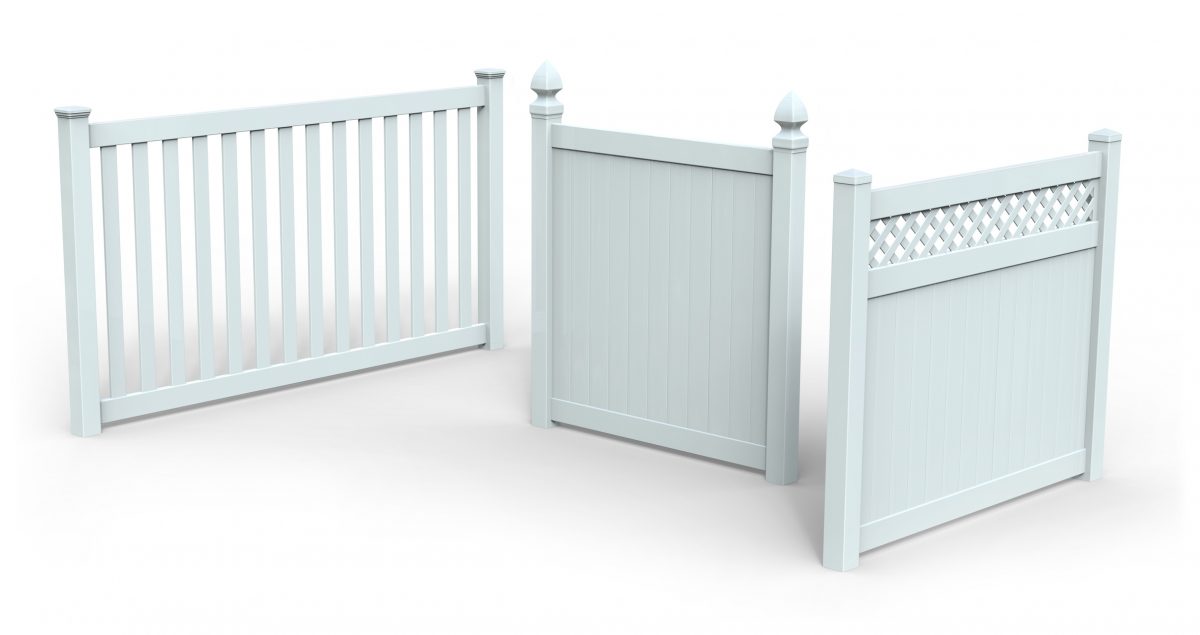
Privacy Fences: Full-height panels provide complete coverage for backyards and patios, making them ideal for families seeking a quiet, enclosed space.

Semi-Privacy Fences: Feature spaced boards or louvered panels that allow light and air to pass through while maintaining visual separation.

Board-on-Board and Lattice Styles: Enhance architectural interest with overlapping boards or decorative lattice tops, striking a balance between privacy and style.

Classic Victorian Picket: Ideal for front yards and gardens, this timeless style offers traditional charm without the maintenance of wood.

Contemporary and Ornamental Picket Styles: Sleek, modern options that suit newer homes or minimalist landscapes.

Post and Rail Designs: A practical choice for large properties, rural settings, or homeowners seeking an open, traditional look.

Distinctive Series Options

Pittsburgh Fence Company also installs signature vinyl fence lines such as Eagle Point, Georgetown, Dawson, Dartmouth, Dalton, Brighton, and Brandywine. Each series offers unique top rail designs, spacing options, and decorative details. Whether you prefer a simple, uniform structure or a more detailed aesthetic, there’s a vinyl fence configuration to match your property’s style.

Benefits for Pittsburgh Homeowners

Vinyl fencing isn’t just about looks — it’s about long-term performance. The material’s resilience and low-maintenance nature make it a wise investment for homeowners across Western Pennsylvania.

Built to Handle Local Weather

Pittsburgh experiences a range of weather conditions, from freezing winters to humid summers. Vinyl fencing is designed to handle this range of conditions without cracking, rusting, or peeling. Its non-porous surface prevents moisture absorption, protecting against rot and mold.

Unlike metal fences, vinyl won’t corrode or require repainting. And unlike wood, it doesn’t expand, contract, or warp dramatically when temperatures fluctuate.

Minimal Upkeep

One of vinyl’s greatest strengths is convenience. There’s no need for sanding, staining, or sealing — ever. Most maintenance involves rinsing the surface with a garden hose or wiping it clean after storms or pollen season. This durability translates to fewer long-term expenses and less time spent on maintenance.

Long-Term Value

A properly installed vinyl fence can last for decades while maintaining its original color and shape. Because it resists deterioration, it also helps maintain property value. Homeowners gain both practical benefits and an enhanced appearance that continues to look professional over time.

Choosing a Fence That Lasts

Modern vinyl fencing represents the perfect balance of innovation, durability, and design flexibility. At Pittsburgh Fence Company, we’ve seen how these systems deliver consistent performance and long-lasting results, even in the toughest local conditions.

Every installation combines advanced materials, expert craftsmanship, and a wide selection of styles to fit your property’s specific needs. From realistic woodgrain finishes to reinforced privacy panels, each vinyl fence we install is designed to perform beautifully for years to come.

If you’re considering upgrading your property’s perimeter or adding a decorative boundary that requires little maintenance, contact Pittsburgh Fence Company. Our team will help you compare styles, review color and texture options, and choose a modern vinyl fencing solution that enhances your home while standing the test of time.
The Psychology of Security: Why Fences Deter Criminals

When homeowners want to protect their property, high-tech solutions often take center stage. Security cameras, alarm systems, and smart locks provide real-time alerts and digital control. While these solutions are effective, they sometimes overshadow one of the simplest and most effective measures: a well-built and installed security fence.

A fence is more than just a line around your yard. It defines space, sets boundaries, and communicates ownership. Criminals tend to look for easy targets that appear unprotected or offer a quick entry and exit. A properly designed fence interrupts this process, acting as both a visible warning and a physical barrier.

By understanding the psychology behind security fencing, homeowners can see how investing in the right fence doesn’t only enhance the look of your home, but also increases your home’s security.

The Psychology Behind Physical Barriers

The idea that fences deter crime isn’t just about wood, steel, or vinyl — it’s also about psychology. Criminologists talk about psychological deterrents in the context of crime prevention. This principle suggests that if something increases the perceived effort, risk, or chance of detection, potential criminals are less likely to act.

Two related concepts explain why fences are so effective:

Territorial Reinforcement: A fence signals that someone actively cares for and controls the property. A trespasser crossing it is knowingly entering someone else’s domain. This psychological boundary is powerful — most criminals want to avoid drawing attention to themselves.

Defensible Space: Architect Oscar Newman coined this idea, which highlights how clearly defined spaces foster natural surveillance and a sense of control. A fence establishes that clear division, making it easier for neighbors and homeowners to notice unusual activity.

When an intruder sees a fence, the calculation changes. What might have looked like an easy opportunity suddenly appears riskier. And for someone trying to avoid confrontation, that shift is often enough to send them elsewhere.

What Law Enforcement and Experts Say About Fencing and Crime

Police departments and security professionals often stress that crime prevention starts with making your home a less appealing target. Fences play a critical role in this strategy.

The U.S. Department of Justice has stated that physical barriers reduce opportunities for crime by limiting access. Homes without any boundaries — whether fencing, hedges, or walls — are statistically more vulnerable to burglary.

The National Crime Prevention Council has also highlighted that “opportunity reduction” is the most consistent predictor of crime deterrence. In other words, the harder it is to gain access, the less likely a criminal is to attempt it.

Some studies provide concrete numbers. Research by the National Crime Prevention Council found that properties equipped with fences were 30% less likely to experience burglary compared to those without one. Law enforcement officers echo this, explaining that criminals typically seek the “path of least resistance.” A fence, even before alarms or locks, creates that resistance, making it a critical tool in protecting your home.

Types of Fences That Work Best as Crime Deterrents

Not every fence provides the same aesthetic or protection. Homeowners should carefully consider design, materials, and placement to achieve the right balance between deterrence and curb appeal.

Height Matters

Generally, fences around six feet or taller make climbing difficult. While some neighborhoods may have restrictions, choosing the tallest allowable height in your area is often the most effective option.

Materials for Security

Metal (wrought iron or aluminum): Durable, weather-resistant, and visually open, these fences prevent hiding spots while providing strength.

Wood: Solid and private, but may inadvertently shield intruders once they’re inside. Works best with added security features such as locked gates.

Vinyl or Composite: Low-maintenance with customizable designs, offering both privacy and durability.

Visibility vs. Privacy

There’s a balance to strike between blocking views and allowing natural surveillance. Fences that are too solid can work against you by providing cover for intruders, while open designs (like vertical bars) make it easier for your neighbors to notice suspicious behavior.

Additional Security Features

Locked gates restrict easy entry.
Pointed or decorative tops discourage climbing.
Integrated lighting enhances visibility at night.
Security cameras mounted near all entrances reinforce deterrence.

By combining these features, homeowners can create fences that both look appealing and function as protective barriers.

Real-World Examples: When Fencing Stopped a Break-In

Although fencing alone cannot guarantee safety, there are plenty of instances where it has made a decisive difference.

For example, in several Pittsburgh-area communities, police reports have shown burglars targeting homes with open yards while skipping those with fenced perimeters. In one case, a homeowner credited their locked iron gate with preventing an attempted break-in, as footprints were found leading up to the fence, but no signs of climbing or forced entry.

These examples illustrate a common theme: criminals tend to choose the easiest option. A fence will make your property more challenging to access and, in many cases, not worth the risk.

Combining Fencing with Other Home Security Measures

While fencing is effective, it’s most powerful when used as part of a layered security approach. Think of fencing as the first line of defense, supported by additional measures:

Cameras: Placing surveillance near gates or entry points increases the perceived risk of being caught.
Motion lights: Bright illumination discourages nighttime activity and makes trespassers visible.
Smart gates: Remote-controlled access adds convenience while maintaining security.
Alarm systems: If someone does bypass the fence, alarms ensure an immediate response.

Together, these features create a holistic protection plan. Instead of relying on one tool alone, homeowners can establish overlapping layers of security that work together to keep properties safe.

Peace of Mind With Smart Perimeter Design

Fences offer more than structure or curb appeal. They shape how outsiders perceive your property. By acting as both a physical barrier and a psychological signal, fences discourage unwanted access and protect your home from being burglarized.

Research, law enforcement, and real-world examples all point to the same conclusion: fencing is a practical, effective, and lasting strategy for crime prevention.

For Pittsburgh homeowners, the key lies in thoughtful design. Choosing the right materials, integrating security features, and balancing visibility with privacy ensures that your fence provides proper protection while enhancing the look of your property.

When paired with other security measures, a fence becomes the foundation of a safer, more secure home. And perhaps most importantly, it offers something every homeowner values — the peace of mind that comes from knowing your property is protected.

Secure Your Property with Pittsburgh Fence Company

At Pittsburgh Fence Company, we’ve helped thousands of homeowners design fences that look beautiful while providing reliable security. Whether you’re interested in ornamental aluminum, classic wood, or low-maintenance vinyl, our team will guide you through fencing options that suit both your style and your safety needs.

Customized designs to fit your property
Professional installation with long-lasting materials
Guidance on integrating fencing with other security features

If you’re ready to make your home safer, contact us today for a consultation and free estimate.

The Timeless Appeal of Ornamental Fencing: Style, Security, and Value for Your Home

When most homeowners think about fencing, they consider the basics such as privacy, defining property lines, and keeping children or pets safe. While fencing does all these things, it also plays a vital role in design, security, and the overall impression of your property.

Ornamental fencing combines strength with style. Homeowners in Pittsburgh and beyond choose this type of fencing because it balances practicality with aesthetics, offering a solution that looks great and performs well.

Unlike other fencing types that can fade into the background, decorative metal fence installation enhances your property and communicates a sense of care and permanence.

Elegant Design Options for Every Home Style

One advantage of ornamental fencing is its adaptability. Whether your home has traditional charm or sleek modern lines, there’s a design that can match.

Fencing Materials to Consider

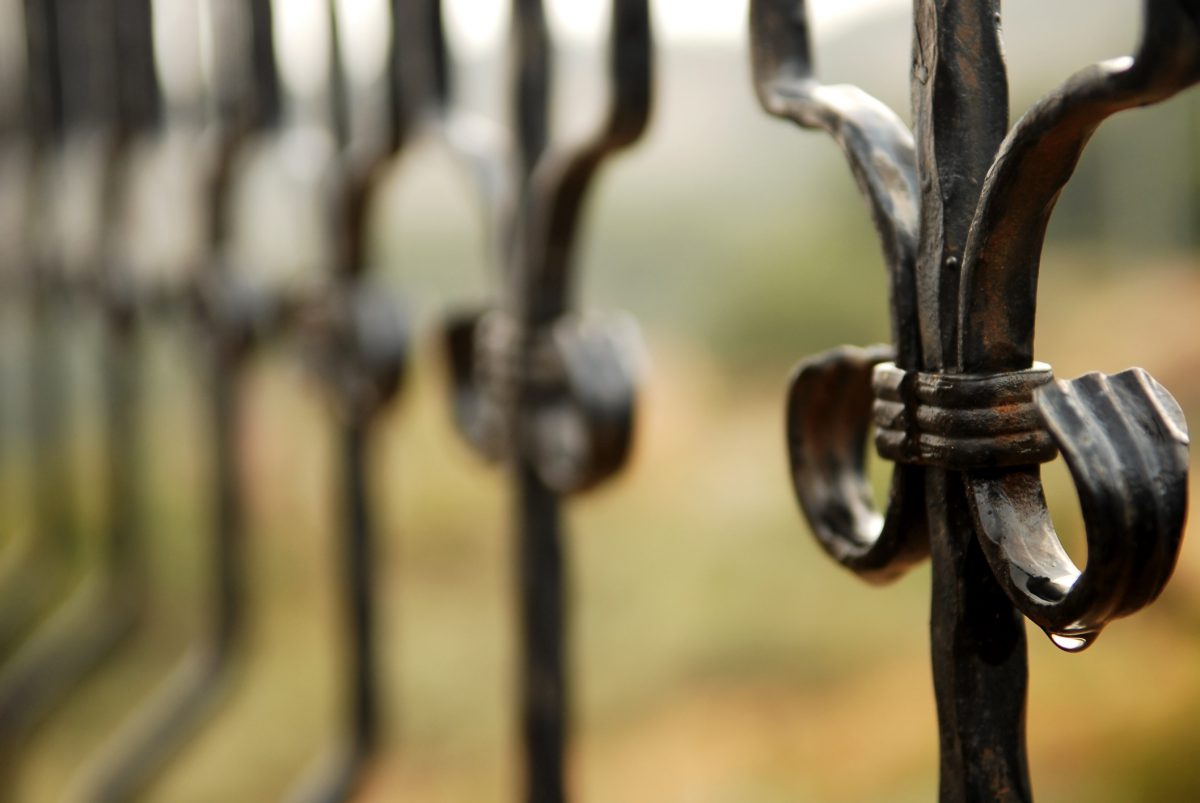
Wrought Iron: Known for its timeless, classic appeal, wrought iron fencing has been a popular option for centuries. Its strength and ability to be shaped into ornate designs make it a favorite for homeowners who want elegance that lasts.

Aluminum: Lighter than wrought iron and resistant to rust, aluminum is a versatile material that offers the look of iron with less upkeep. It’s ideal for homeowners who want style without the need for frequent maintenance.

Steel: Offering strength and versatility, steel can be designed in both minimalist and decorative patterns. It is chosen for its durability and ability to withstand harsh weather conditions.

Customization and Style

Homeowners can choose from a wide range of patterns, from simple vertical bars to intricate scrollwork. Finishes in matte black, bronze, white, or custom colors allow you to coordinate with your home’s exterior or landscaping features.

For example, a Victorian-style home might pair well with decorative wrought iron topped with finials, while a modern brick residence may benefit from a clean, minimalist aluminum design.

Boosting Curb Appeal and Property Value

First impressions matter, and your fence is one of the first things people notice when they approach your home. Ornamental fencing instantly elevates curb appeal, giving your property a refined, finished look.

For homeowners who plan to sell in the future, this aesthetic boost can translate into real value. Real estate professionals say that a decorative fence creates a sense of permanence and security that appeals to buyers. It suggests the home has been well-maintained and thoughtfully designed.

More importantly, ornamental fencing is a long-term investment. While other fencing materials may require replacement every decade, a high-quality metal fence can last for decades with proper care. This longevity contributes to a better return on investment, making it not just a luxury feature but also a practical one.

Durability and Low Maintenance

Compared to wood or vinyl, ornamental fencing is built to endure.

Wood fencing can be attractive but is prone to warping, rot, insect damage, and discoloration. It often requires regular sealing, painting, or board replacement.

Vinyl fencing is lower-maintenance but may crack or fade with exposure to extreme heat and cold, which are common in Pittsburgh’s climate.

By contrast, wrought iron, aluminum, and steel fencing are inherently strong and long-lasting. Modern production methods mean many ornamental fences are coated with protective finishes like powder coating or galvanization. These finishes resist rust, corrosion, and UV damage, reducing upkeep.

For homeowners, this translates into peace of mind. Instead of budgeting for frequent repairs or replacements, you can rely on your fence to remain durable and visually appealing with minimal maintenance beyond occasional cleaning.

Security Without Sacrificing Beauty

Ornamental fencing provides reliable protection while still looking great.
The strength of wrought iron or steel acts as a natural deterrent to intruders, while the height and design can be customized based on your security needs. Adding features such as self-closing gates, keyed or electronic locks, and decorative finials can further discourage trespassers without making your home feel uninviting.

Eco-Friendly and Sustainable Options

For today’s homeowners, sustainability is often part of the decision-making process. Ornamental fencing is an environmentally responsible choice in several ways:

Recycled Materials: Many aluminum and steel fences are made from recycled content, reducing the demand for new raw materials.
Long Lifespan: Because ornamental fences last decades, fewer resources are required for replacements, making them a more sustainable long-term option.
Low Maintenance: The protective finishes reduce the need for chemical treatments, stains, or paints.

By choosing a durable, recyclable, and environmentally friendly fence, you can be confident that your investment is aligned with sustainable living practices.

Choosing the Right Ornamental Fence for Your Home

Choosing the right ornamental fence involves considering several factors:

Budget: Wrought iron can be more expensive upfront, but aluminum offers a cost-effective alternative with similar visual appeal.

Style Preferences: Consider how the design complements your home’s architecture. Do you want intricate patterns that make a statement, or simpler lines that provide subtle elegance?

Neighborhood Guidelines: Homeowners’ associations or local ordinances may have requirements regarding fence height, color, or placement.

Maintenance Expectations: While all ornamental fences are low-maintenance compared to wood, some materials require more attention than others.

Professional Fence Installation vs. DIY

While some homeowners may consider the DIY approach, ornamental fencing is best left to professionals. Installation requires precise alignment, secure anchoring, and expert handling of heavy materials. A professional installer can ensure your fence is not only beautiful but also structurally sound, saving you from costly mistakes or uneven results.

Custom solutions are also available for properties with slopes, unusual layouts, or specific design preferences. This flexibility ensures that no matter the challenge, you can achieve a fence that enhances your property’s best features.

Frame Your Home In Style with Ornamental Fencing. Call Pittsburgh Fence Company Today!

From style and durability to security and value, ornamental fencing offers homeowners a well-rounded solution that is both practical and visually appealing. It’s more than just a boundary—it’s an investment in your property’s long-term appeal and functionality.

Whether you’re interested in a wrought iron fence installation for its timeless elegance or prefer aluminum for its modern convenience, ornamental fencing has options to suit your goals. By consulting with a fencing expert, you can choose the right design, material, and finish to enhance your home’s unique character.

At Pittsburgh Fence Company, we specialize in helping homeowners choose fencing solutions that balance style, security, and budget. Our team can guide you through material options, customization, and installation so that your investment adds lasting value to your property.

If you’re ready to explore how ornamental fencing can transform your home, contact us today to schedule a consultation. Together, we’ll design a fence that elevates your property for years to come.

Why Are Chain Link Fences So Durable?

Chain link fences are one of the most practical and durable fencing solutions for residential and commercial properties in Pittsburgh. This material is known for strength, low maintenance, and long-term performance, making it a great choice for neighborhoods, business parks, and municipal facilities alike.

But what exactly makes chain link fences so durable? Let’s explore the factors that contribute to their longevity, from material coatings and structural design to proper installation and repair practices.

Galvanization: The First Line of Defense

The foundation of a chain link fence’s durability begins with galvanization. During this process, steel wire is coated with a layer of zinc, creating a protective barrier against rust and corrosion. Zinc is highly resistant to environmental damage, which is particularly important in Pittsburgh’s climate, where snow, rain, and fluctuating temperatures can accelerate deterioration in unprotected metals.

Galvanized chain link fences outlast untreated options by years. Without this protective coating, bare steel is vulnerable to moisture and oxygen, leading to rust and structural weakness. The galvanization process also helps extend the lifespan of hardware such as tension bands, brackets, and terminal posts, which are essential to maintaining the fence’s integrity over time.

Durability of the Steel Mesh

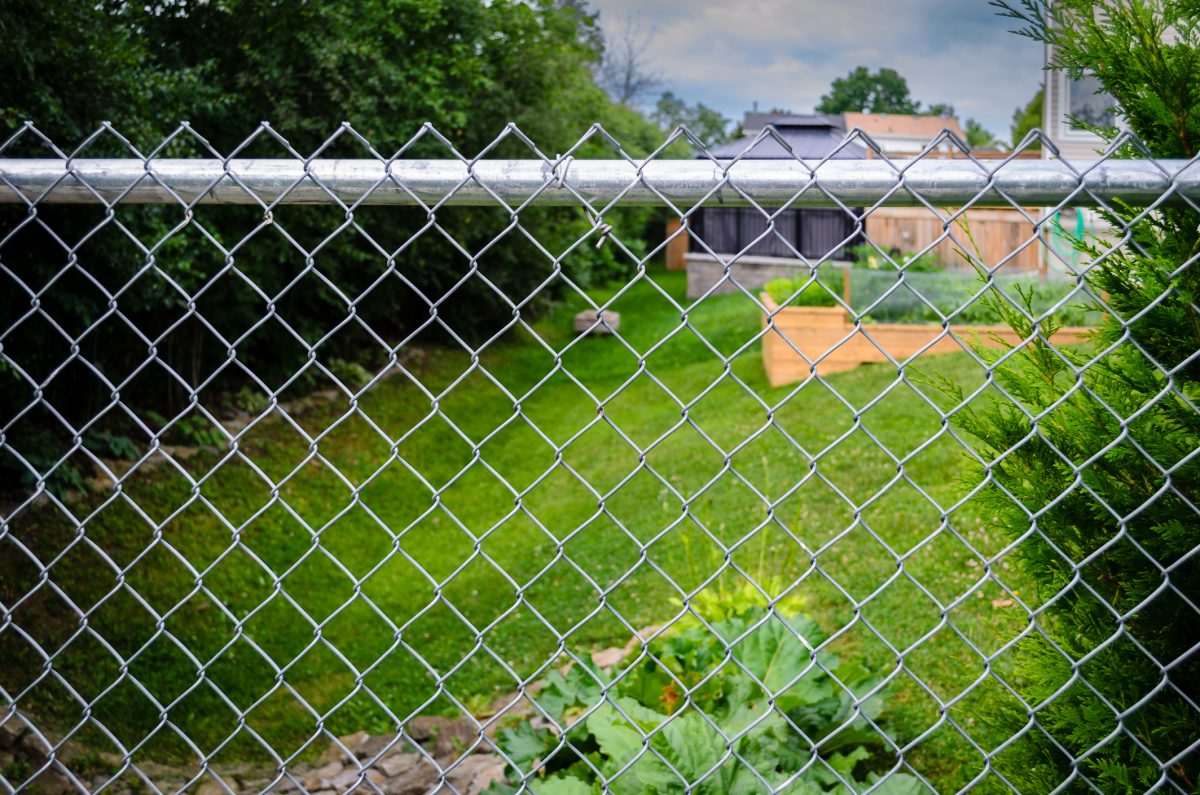
The foundation of every chain link fence is its steel wire mesh. Steel’s natural strength and flexibility make it ideal for resisting impact, tension, and environmental stress. The mesh design, interwoven in a diamond pattern, distributes force evenly, helping the fence withstand strong winds and accidental impacts without buckling or breaking.

This is beneficial in Western Pennsylvania, where storms can bring heavy wind gusts, hail, and rapid freeze-thaw cycles. Additionally, the wire gauge and mesh size both influence the overall durability. Thicker wires (lower gauge numbers) and tighter mesh provide increased strength and longevity, especially in high-traffic or high-security applications.

Low Maintenance Requirements

Another key reason chain link fences last so long is their minimal maintenance needs. Unlike wood fences that require routine staining, sealing, or painting to prevent rot and weather damage, a galvanized chain link fence typically only needs occasional cleaning with mild soap and water.

Dirt and debris can be easily rinsed away, and there’s no need to treat the fence for pests, mold, or moisture. This makes chain link fencing an excellent option for homeowners and business owners who want a reliable barrier without committing to ongoing upkeep. The minimal maintenance also translates to lower long-term ownership costs.

Easy and Affordable Repairs

Durability isn’t just about lasting through the years. It’s also about how easily and affordably the fence can be repaired if damage occurs. One of the main advantages of chain link fencing is that damaged sections can usually be cut out and replaced without requiring full fence removal.

Whether caused by an accident, vandalism, or wear from heavy use, localized damage can be addressed by a fence contractor near you in Pittsburgh at a reasonable cost and with minimal disruption. This makes chain link a preferred option for high-traffic commercial properties, playgrounds, and industrial sites where wear and tear is more common.

The Role of Proper Installation

Even the most durable materials won’t perform well without correct installation. Professional chain link fence installation ensures that posts are properly anchored below the frost line, mesh is tightly tensioned, and structural supports are correctly spaced.

Improper installation can lead to sagging mesh, leaning posts, or unstable gates, issues that compromise both appearance and lifespan. Experienced fence contractors understand how to adjust for Pittsburgh’s hilly terrain and soil composition, ensuring that the finished product remains upright and secure for decades.

Environmental Factors That Influence Lifespan

Pittsburgh’s climate plays a role in fence performance and longevity. Freeze-thaw cycles can put stress on footers and posts, while high humidity levels and precipitation can promote rust in untreated or poorly maintained fences.

UV exposure over time can also affect the appearance and integrity of uncoated fences. In certain parts of the region, such as areas exposed to road salt, construction zones, or industrial settings, extra protection may be advisable. In these environments, coated fencing or added sealants can provide added resistance to corrosion and chemical wear.

Modern Coated Options for Extra Protection

While traditional galvanized fences are durable on their own, today’s chain link fences often come with an additional layer of protection: vinyl coating. A vinyl-coated chain link fence includes a soft plastic covering in black, green, or brown, which enhances both the appearance and resilience of the fence.

This dual-layer system, galvanized steel plus vinyl, offers superior protection from moisture, UV rays, and abrasion. It also adds a smoother texture and more refined look, making vinyl-coated fencing more acceptable in residential neighborhoods and communities with homeowners association (HOA) guidelines.

Vinyl coatings can help the fence blend into its surroundings, provide more privacy when combined with slats, and offer a finished, professional appearance for both homes and businesses.

Commercial and Residential Use Cases

Chain link fences are versatile, serving a wide range of needs across Pittsburgh’s residential, commercial, and municipal sectors. Business owners often choose chain link for perimeter fencing, equipment enclosures, and access control, thanks to its visibility, affordability, and security features.

Homeowners, on the other hand, use chain link fences for pet containment, garden protection, and boundary marking. Privacy slats can be installed to reduce visibility while maintaining airflow, which is helpful in dense neighborhoods.

Chain link fences are frequently seen around backyards and alleys in residential areas like Brookline or Highland Park. In commercial zones like the Strip District or Robinson Township, they are commonly used to secure parking lots, loading docks, and storage areas.

Long-Term Value in Chain Link Fence Installation

When it comes to durability, chain link fencing offers a combination of strong materials, protective coatings, low upkeep, and adaptability that few other fencing options can match. Galvanized steel resists corrosion, while vinyl coatings add an additional layer of protection and visual appeal. The mesh’s design distributes stress evenly, and when installed by a professional, the fence is built to withstand Pittsburgh’s weather and terrain.

Because damaged sections can be replaced affordably and maintenance is minimal, chain link fencing delivers long-term value without ongoing costs. Whether you’re a homeowner looking for a reliable backyard enclosure or a business owner seeking a functional security barrier, a professionally installed chain link fence is a smart investment.

Ready to explore durable fencing options for your property? Contact a trusted fence contractor near you in Pittsburgh today to get a quote or schedule a consultation.

Why Are Chain Link Fences So Common?

Chain link fences have been a popular choice for both residential and commercial properties for decades, and in Pittsburgh, their appeal continues to grow. Known for being budget-friendly and durable, these fences offer a practical solution for homeowners looking to secure their property without compromising on function or long-term value.

Affordability and Cost-Effectiveness

One of the top reasons homeowners choose to have chain link fences installed is their low cost, both at the time of installation and throughout the life of the fence. Compared to other fencing options like vinyl, wood, or wrought iron, chain link fencing is typically the most affordable choice. This makes it particularly appealing for homeowners on a budget, those managing multiple properties, or anyone simply looking to get the most value from their investment.

Material costs are relatively low, and because the installation process is straightforward, labor expenses are also minimized. This combination allows homeowners to enclose larger areas, such as backyards, gardens, or side yards, without overspending. In addition to the upfront savings, chain link fences tend to have low maintenance needs and minimal repair costs, which contribute to a lower total cost of ownership over time.

Chain link fencing is an affordable and practical choice for Pittsburghers who want reliable fencing that requires little upkeep or significant investment.

Durability and Longevity

In a city like Pittsburgh, where the climate includes snowy winters and humid summers, choosing a fence that can withstand the elements is essential. Chain link fences, thanks to their strong steel construction and corrosion-resistant finishes, are well-suited for the region’s weather patterns.

Most chain link fences are constructed from galvanized steel, which is coated with zinc to help prevent rust. Homeowners can also opt for vinyl-coated chain link, which adds an extra layer of protection and allows the fence to blend into its surroundings more easily. This durability makes chain link fences ideal for Pittsburgh properties exposed to snow, ice, rain, and even road salt in the winter months.

Unlike wood fences that can rot, warp, or become infested with insects, chain link fencing maintains its shape and strength over time. It’s also less likely to suffer from cracking or splitting, which can happen with vinyl in extreme cold. When installed and maintained correctly, a chain link fence can last upwards of 15 to 20 years or more, making it a long-term investment that provides peace of mind in any season.

Easy and Quick Installation

Another reason chain link fences are a popular choice among Pittsburgh homeowners is how quickly and easily they can be installed. Whether you’re hiring a professional Pittsburgh fence company or tackling the project yourself, the installation process is generally less time-intensive than other fencing types.

The process begins with setting the steel posts into the ground and securing them with concrete. Once the posts are in place, rails and fittings are added to support the structure. The final step involves unrolling the chain link mesh and attaching it to the posts and rails. This streamlined approach reduces labor time and typically requires fewer specialized tools.

The efficient installation is especially beneficial for homeowners on a tight schedule or those who need a fencing solution completed before a particular event such as adopting a new dog, hosting a backyard gathering, or preparing a rental property for new tenants. It also means less disruption to landscaping and neighboring properties, which is a plus in Pittsburgh’s tighter urban neighborhoods and more densely built suburbs.

Low Maintenance Requirements

Maintaining a fence shouldn’t feel like a second job. That’s why so many Pittsburgh homeowners appreciate the low-maintenance nature of chain link fencing. Unlike wood fences that require painting, staining, or sealing every few years, chain link fences are largely self-sufficient once installed.

Routine maintenance typically involves an occasional rinse with a garden hose to remove a buildup of dirt or debris. If grime builds up, especially during Pittsburgh’s muddiest spring month, a mild soap solution and a soft brush are all that’s needed to restore the fence’s appearance. Vinyl-coated chain link fences require even less upkeep since the coating helps repel dirt and moisture.

Repairs, when needed, are also straightforward. If a section of the mesh becomes damaged, it can often be replaced without dismantling the entire fence. Post and rail damage is rare but easy to address due to the modular nature of the system. This simplicity makes chain link ideal for homeowners who want a functional, secure boundary without the ongoing work or long-term care costs associated with other fencing materials.

Security and Functionality

Functionality is at the heart of what makes chain-link fences a popular choice—not just in Pittsburgh but across the country. While chain-link fences may not offer the same level of privacy as solid wood or vinyl, they excel at clearly marking property boundaries, containing pets, and providing visibility all while still offering reliable security.

For families with children or dogs, a chain link fence offers a way to keep loved ones safely within the yard while still being able to see out. This open visibility allows parents to keep an eye on kids playing outside or monitor pets as they roam. It’s also helpful in watching for visitors or deliveries, especially in suburban neighborhoods with longer driveways.

In addition to residential use, chain link fences are widely used for securing commercial and municipal properties throughout Pittsburgh. Their reliability and low maintenance make them suitable for schools, parks, industrial lots, and even construction sites. The same qualities that make them effective in those environments also make them ideal for homeowners looking for a practical, secure fencing solution.

Modern Styles and Customization

Today’s chain-link fences offer more style and customization options than many people realize. Gone are the days when plain silver fencing was the only choice. Homeowners can now tailor their chain-link fence to better match their aesthetic preferences and landscape design.

One of the most common upgrades is vinyl coating, which comes in colors like black, green, and brown. These coated fences not only offer additional protection against weather and rust but also help the fence blend more naturally with lawns, trees, and garden beds. Black-coated chain link fences, in particular, are popular in urban Pittsburgh neighborhoods for their modern, understated appearance.

For those who want more privacy, slats can be inserted vertically through the fence’s links. These come in various colors and levels of opacity and can transform a standard chain-link fence into a semi-private barrier. Another option for visual enhancement is training climbing plants, such as ivy, along the fence line. Over time, this creates a living green wall that offers both charm and function.

Gates and access points can also be customized to fit your property’s layout. From single-person walk gates to wide drive-through options with locks and security features, chain link fences can be easily configured to meet your specific needs.

Zoning and Local Considerations in Pittsburgh

Navigating local zoning laws and neighborhood requirements is an essential part of any fence installation, and chain link fencing often has an easier path to approval in Pittsburgh. Each municipality may have its own guidelines around height, placement, and materials, but chain link is generally well-accepted due to its non-obstructive design and safety benefits.

In many Pittsburgh neighborhoods, front yard fences are limited to around four feet in height, while backyard fences can typically go up to six feet. Chain link fences fit within these guidelines, mainly when used in backyards, along alleyways, or for pet enclosures. Unlike solid wood or vinyl fences that may block sightlines or create visual clutter, chain link fencing maintains transparency, which can be a deciding factor for zoning boards or homeowners associations.

Before starting any project, it’s always recommended to check with your local municipality and any applicable HOA. However, chain link’s general compliance with Pittsburgh-area regulations makes it a convenient and often pre-approved choice for homeowners looking to avoid delays or permitting issues.

Common Chain Link Fence Applications

Chain-link fences are used across a wide range of property types and configurations, making them one of the most versatile fencing options available. In the city, chain-link fences are often seen surrounding small yards, gardens, or parking pads where space is limited but security is still essential. In suburban areas like Bethel Park or Ross Township, it’s common to see chain-link fences enclosing large backyards, dog runs, or utility areas.

They are frequently used for:

Pet enclosures: Safely containing dogs while allowing them space to roam.

Pool fencing: Meeting visibility and safety requirements for residential pool areas.

Garden protection: Keeping deer, rabbits, and other wildlife out of vegetable or flower beds.

Boundary setting: Clearly marking property lines without obstructing views.

Because of their flexibility and adaptability, chain link fences are well-suited for homeowners who need a functional solution that can handle the demands of everyday life—whether entertaining guests, housing pets, or maintaining a rental property.

Schedule Your Chain Link Fence Installation Today!

Chain link fences are installed frequently, and with good reason. They offer a combination of affordability, durability, low maintenance, and ease of installation that’s hard to beat—especially for Pittsburgh homeowners navigating varying property sizes, climates, and zoning laws. While they may not provide complete privacy, their reliability and functionality make them a valuable choice for many situations.

If you’re considering installing a fence, a chain link fence may be the right fit. Contact a trusted Pittsburgh fence company to explore your options, get a quote, and ensure your fence meets local regulations while serving your specific needs. A professionally installed chain link fence can provide peace of mind, security, and long-term value, without overcomplicating your to-do list. Call Pittsburgh Fence Company today to get started!

Pressure Treated Pine vs. Cedar: Which Wood Is Best for Your Fence?

Installing a wooden fence is a classic choice for Pittsburgh homeowners who want privacy, curb appeal, and reliable property boundaries. But when it comes to choosing the right wood for your fence, one of the most significant decisions you’ll face is pressure-treated pine or cedar.

Both are popular options that offer their own benefits and drawbacks. This guide will help you understand the key differences between these two types of wood so that you can decide which is the best fit for your yard, budget, and long-term goals.

Why Choosing the Right Fence Wood Matters

A fence isn’t just a line around your property; it’s an investment that contributes to your home’s security, privacy, and resale value. The type of wood you choose will determine how long your fence lasts, how much maintenance it will require, how well it resists weather conditions, and how it looks year after year. With Pittsburgh’s freeze thaw winters, high humidity in summer, and occasional heavy rainfall, choosing the right wood is critical to making your investment last.

Two of the most commonly used wood types for fences in our area are pressure-treated pine and cedar. Each offers specific advantages depending on your priorities, whether that’s cost savings, low maintenance, or classic beauty.

What Is Pressure Treated Pine?

Pressure treated pine is typically made from southern yellow pine, a fast-growing softwood. During manufacturing, it is infused with chemical preservatives under high pressure in a vacuum sealed chamber. This process allows the treatment to deeply penetrate into the wood fibers, giving the pine added resistance to moisture, decay, fungus, and insect damage, all of which are essential in a region like Pittsburgh.

Durability and Lifespan

On average, pressure-treated pine fences last between 10 to 15 years, but with regular care, they can stretch closer to 20 years. While it’s more affordable than cedar, pressure treated pine is also more susceptible to shrinking, swelling, or warping as it dries and acclimates to the environment. It tends to be structurally strong and dense, but it may require repairs sooner if not adequately maintained.

Maintenance Requirements

After installation, pressure treated pine should be allowed to dry for several weeks before staining or sealing. Once sealed, it should be resealed every two to three years to protect against water absorption and UV damage. Without consistent maintenance, the wood can discolor, crack, or become vulnerable to fungal growth. A good maintenance routine will go a long way in preserving the fence’s integrity and appearance.

Cost Effectiveness

Pressure-treated pine is often the go to choice for cost-conscious homeowners. Depending on lumber prices, it can be up to 50% less expensive than cedar. For large properties or long boundary fences, pine is a cost-effective way to cover more ground. When installed and maintained correctly, it offers substantial value for its price point.

What Is Cedar?

Cedar is a naturally rot and insect resistant softwood, prized for its durability, pleasant aroma, and warm appearance. Most cedar used in fencing comes from Western Red Cedar or Eastern White Cedar, both of which contain natural oils that protect the wood from decay and pests without the need for chemical treatment.

Strength and Longevity

Cedar fences generally last 15 to 25 years, sometimes even longer when properly cared for. One of cedar’s most significant advantages is its dimensional stability. It is much less prone to cupping, twisting, or bowing over time, which means your fence remains straighter and more visually appealing. This stability is especially beneficial in climates with temperature fluctuations, such as Pittsburgh.

Maintenance and Weathering

While cedar requires less maintenance than pine, applying a sealant can help retain its signature reddish brown color and protect the surface from weathering. If left untreated, cedar will age to a silvery gray tone, a look that some homeowners find elegant and rustic. Either way, cedar holds up well with minimal care, and its aging process tends to be more uniform and aesthetically pleasing than other woods.

Price Comparison

Cedar is generally more expensive than pressure treated pine, both in material cost and, in some cases, installation. However, its longer lifespan and reduced need for frequent maintenance can make it more cost-effective in the long run. Plus, its premium look can boost your property’s visual appeal and market value.

Pressure Treated Pine vs. Cedar: Key Comparisons

Let’s examine how these two woods compare across the most important decision-making factors for homeowners in the Pittsburgh region.

Durability in Pittsburgh’s Climate

Thanks to chemical preservatives, pressure-treated pine withstands moisture better than untreated wood. However, it is more likely to shrink or warp as it dries out or when exposed to freeze-thaw cycles.

Cedar performs exceptionally well in wet and humid climates. Its natural oils resist rot and insects, and it remains dimensionally stable through changing seasons.

Aesthetics

Pine typically has a yellowish-green tint from the treatment process and a more pronounced grain with visible knots. It can be stained to mimic cedar or other woods, but its natural appearance may not appeal to everyone.

Cedar offers a naturally rich, warm tone with fine, straight grain. Its uniform look and smooth surface give it a high-end finish that ages gracefully over time.

Cost and Affordability

Pressure-treated pine is typically more affordable and readily available, making it ideal for projects with budget limitations.

Cedar has a higher upfront cost, but it may be a better investment for those seeking long-term value and enhanced curb appeal.

Maintenance

Pine needs more hands-on maintenance to keep it protected and visually appealing. This includes sealing, staining, and addressing issues like warping or cracking.

Cedar is lower maintenance overall. Sealing is optional, and even if left to weather naturally, cedar continues to resist rot and insects better than many other kinds of wood.

Environmental Impact

Pine is usually sourced from fast-growing trees, making it a renewable resource. However, the chemicals used in the treatment process may raise environmental concerns.

Cedar does not require chemical treatments and is naturally biodegradable. For eco-conscious buyers, FSC-certified cedar ensures responsible forestry practices.

Which Wood Fence I Right for You?

Here are a few questions to help you decide:

  • What’s your budget? If cost is your top concern, pressure-treated pine offers solid performance for the price.
  • Do you prefer a natural, polished look? Cedar is a premium material with a timeless visual appeal.
  • Are you willing to commit to maintenance? Pine needs more routine care to stay in top shape, while cedar is easier to maintain, even if left untreated.
  • How long do you plan to stay in your home? If this is your forever home, cedar’s longevity may justify the extra expense. If you plan to sell within a few years, pine may be the more strategic choice.

Professional Installation vs. DIY

Even the best fencing materials can fail if they aren’t installed properly. Uneven posts, poor drainage, and improper spacing can all lead to sagging, leaning, or premature deterioration. DIY installation might save money upfront, but it often leads to more repairs or complete replacement sooner than expected. It is highly recommended that homeowners work with a fence company in Pittsburgh for the best results.

At Pittsburgh Fence Company, we offer expert wood fence installation throughout the Pittsburgh area. Our team knows how to work with both cedar and pressure-treated pine, ensuring your fence is built to last. We pay close attention to post depth, spacing, ground conditions, and slope to create a finished product that looks great and performs well year-round.

We also help homeowners weigh material choices based on their goals, yard conditions, and desired aesthetics. From start to finish, our priority is to deliver fences that combine strength, beauty, and value.

Let Us Help You Make the Right Choice for Your Fence!

Choosing between pressure-treated pine and cedar isn’t easy, but it doesn’t have to be overwhelming. Pressure-treated pine is durable and cost-effective, making it a popular choice for homeowners who want to balance quality and affordability. Cedar, on the other hand, offers unmatched natural beauty and long-term performance with minimal upkeep.

No matter your preference, Pittsburgh Fence Company is here to guide you through every step. We’ll assess your property, understand your goals, and provide expert recommendations tailored to your needs.

Ready to install your dream fence? Call Pittsburgh Fence Company today to schedule your free estimate and get started!