Jeff Wible

As the owner of Pittsburgh Fence Co, Inc. Jeff has had decades of experience installing fences on businesses and homes throughout Pittsburgh.

Why Are Chain Link Fences So Durable?

Chain link fences are one of the most practical and durable fencing solutions for residential and commercial properties in Pittsburgh. This material is known for strength, low maintenance, and long-term performance, making it a great choice for neighborhoods, business parks, and municipal facilities alike.

But what exactly makes chain link fences so durable? Let’s explore the factors that contribute to their longevity, from material coatings and structural design to proper installation and repair practices.

Galvanization: The First Line of Defense

The foundation of a chain link fence’s durability begins with galvanization. During this process, steel wire is coated with a layer of zinc, creating a protective barrier against rust and corrosion. Zinc is highly resistant to environmental damage, which is particularly important in Pittsburgh’s climate, where snow, rain, and fluctuating temperatures can accelerate deterioration in unprotected metals.

Galvanized chain link fences outlast untreated options by years. Without this protective coating, bare steel is vulnerable to moisture and oxygen, leading to rust and structural weakness. The galvanization process also helps extend the lifespan of hardware such as tension bands, brackets, and terminal posts, which are essential to maintaining the fence’s integrity over time.

Durability of the Steel Mesh

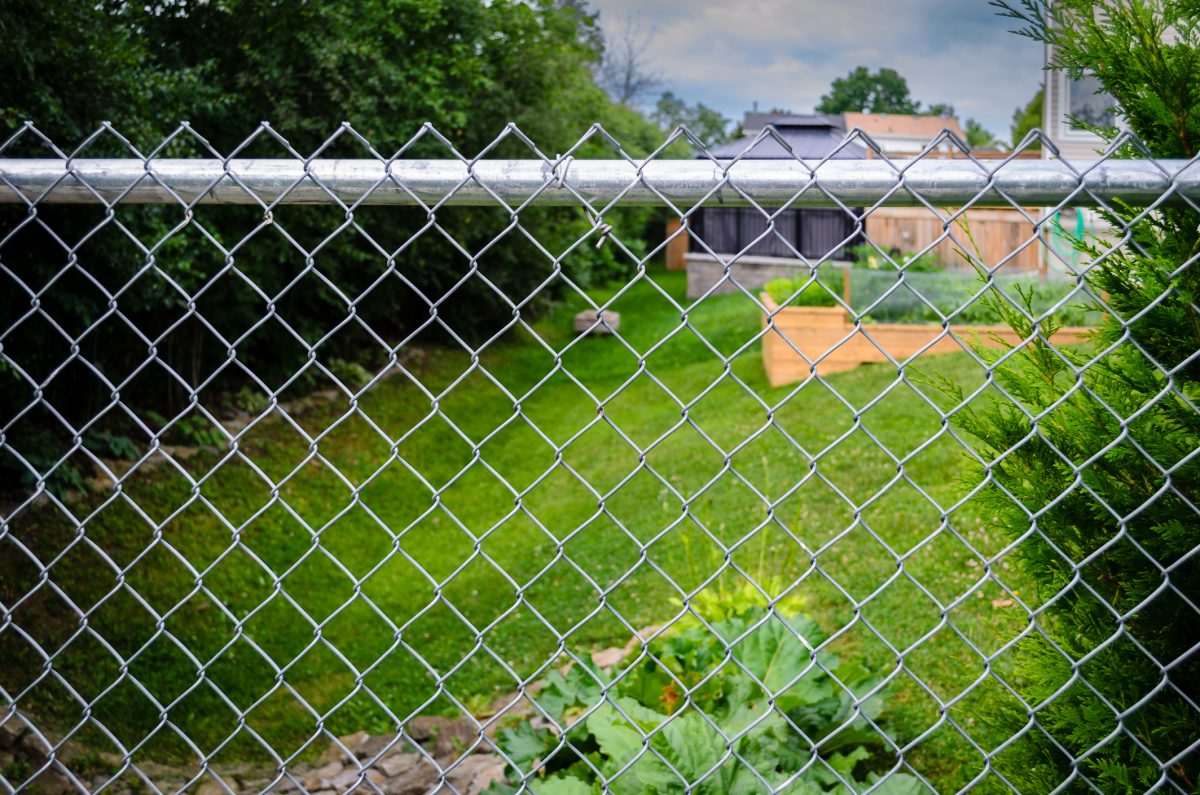
The foundation of every chain link fence is its steel wire mesh. Steel’s natural strength and flexibility make it ideal for resisting impact, tension, and environmental stress. The mesh design, interwoven in a diamond pattern, distributes force evenly, helping the fence withstand strong winds and accidental impacts without buckling or breaking.

This is beneficial in Western Pennsylvania, where storms can bring heavy wind gusts, hail, and rapid freeze-thaw cycles. Additionally, the wire gauge and mesh size both influence the overall durability. Thicker wires (lower gauge numbers) and tighter mesh provide increased strength and longevity, especially in high-traffic or high-security applications.

Low Maintenance Requirements

Another key reason chain link fences last so long is their minimal maintenance needs. Unlike wood fences that require routine staining, sealing, or painting to prevent rot and weather damage, a galvanized chain link fence typically only needs occasional cleaning with mild soap and water.

Dirt and debris can be easily rinsed away, and there’s no need to treat the fence for pests, mold, or moisture. This makes chain link fencing an excellent option for homeowners and business owners who want a reliable barrier without committing to ongoing upkeep. The minimal maintenance also translates to lower long-term ownership costs.

Easy and Affordable Repairs

Durability isn’t just about lasting through the years. It’s also about how easily and affordably the fence can be repaired if damage occurs. One of the main advantages of chain link fencing is that damaged sections can usually be cut out and replaced without requiring full fence removal.

Whether caused by an accident, vandalism, or wear from heavy use, localized damage can be addressed by a fence contractor near you in Pittsburgh at a reasonable cost and with minimal disruption. This makes chain link a preferred option for high-traffic commercial properties, playgrounds, and industrial sites where wear and tear is more common.

The Role of Proper Installation

Even the most durable materials won’t perform well without correct installation. Professional chain link fence installation ensures that posts are properly anchored below the frost line, mesh is tightly tensioned, and structural supports are correctly spaced.

Improper installation can lead to sagging mesh, leaning posts, or unstable gates, issues that compromise both appearance and lifespan. Experienced fence contractors understand how to adjust for Pittsburgh’s hilly terrain and soil composition, ensuring that the finished product remains upright and secure for decades.

Environmental Factors That Influence Lifespan

Pittsburgh’s climate plays a role in fence performance and longevity. Freeze-thaw cycles can put stress on footers and posts, while high humidity levels and precipitation can promote rust in untreated or poorly maintained fences.

UV exposure over time can also affect the appearance and integrity of uncoated fences. In certain parts of the region, such as areas exposed to road salt, construction zones, or industrial settings, extra protection may be advisable. In these environments, coated fencing or added sealants can provide added resistance to corrosion and chemical wear.

Modern Coated Options for Extra Protection

While traditional galvanized fences are durable on their own, today’s chain link fences often come with an additional layer of protection: vinyl coating. A vinyl-coated chain link fence includes a soft plastic covering in black, green, or brown, which enhances both the appearance and resilience of the fence.

This dual-layer system, galvanized steel plus vinyl, offers superior protection from moisture, UV rays, and abrasion. It also adds a smoother texture and more refined look, making vinyl-coated fencing more acceptable in residential neighborhoods and communities with homeowners association (HOA) guidelines.

Vinyl coatings can help the fence blend into its surroundings, provide more privacy when combined with slats, and offer a finished, professional appearance for both homes and businesses.

Commercial and Residential Use Cases

Chain link fences are versatile, serving a wide range of needs across Pittsburgh’s residential, commercial, and municipal sectors. Business owners often choose chain link for perimeter fencing, equipment enclosures, and access control, thanks to its visibility, affordability, and security features.

Homeowners, on the other hand, use chain link fences for pet containment, garden protection, and boundary marking. Privacy slats can be installed to reduce visibility while maintaining airflow, which is helpful in dense neighborhoods.

Chain link fences are frequently seen around backyards and alleys in residential areas like Brookline or Highland Park. In commercial zones like the Strip District or Robinson Township, they are commonly used to secure parking lots, loading docks, and storage areas.

Long-Term Value in Chain Link Fence Installation

When it comes to durability, chain link fencing offers a combination of strong materials, protective coatings, low upkeep, and adaptability that few other fencing options can match. Galvanized steel resists corrosion, while vinyl coatings add an additional layer of protection and visual appeal. The mesh’s design distributes stress evenly, and when installed by a professional, the fence is built to withstand Pittsburgh’s weather and terrain.

Because damaged sections can be replaced affordably and maintenance is minimal, chain link fencing delivers long-term value without ongoing costs. Whether you’re a homeowner looking for a reliable backyard enclosure or a business owner seeking a functional security barrier, a professionally installed chain link fence is a smart investment.

Ready to explore durable fencing options for your property? Contact a trusted fence contractor near you in Pittsburgh today to get a quote or schedule a consultation.

Why Are Chain Link Fences So Common?

Chain link fences have been a popular choice for both residential and commercial properties for decades, and in Pittsburgh, their appeal continues to grow. Known for being budget-friendly and durable, these fences offer a practical solution for homeowners looking to secure their property without compromising on function or long-term value.

Affordability and Cost-Effectiveness

One of the top reasons homeowners choose to have chain link fences installed is their low cost, both at the time of installation and throughout the life of the fence. Compared to other fencing options like vinyl, wood, or wrought iron, chain link fencing is typically the most affordable choice. This makes it particularly appealing for homeowners on a budget, those managing multiple properties, or anyone simply looking to get the most value from their investment.

Material costs are relatively low, and because the installation process is straightforward, labor expenses are also minimized. This combination allows homeowners to enclose larger areas, such as backyards, gardens, or side yards, without overspending. In addition to the upfront savings, chain link fences tend to have low maintenance needs and minimal repair costs, which contribute to a lower total cost of ownership over time.

Chain link fencing is an affordable and practical choice for Pittsburghers who want reliable fencing that requires little upkeep or significant investment.

Durability and Longevity

In a city like Pittsburgh, where the climate includes snowy winters and humid summers, choosing a fence that can withstand the elements is essential. Chain link fences, thanks to their strong steel construction and corrosion-resistant finishes, are well-suited for the region’s weather patterns.

Most chain link fences are constructed from galvanized steel, which is coated with zinc to help prevent rust. Homeowners can also opt for vinyl-coated chain link, which adds an extra layer of protection and allows the fence to blend into its surroundings more easily. This durability makes chain link fences ideal for Pittsburgh properties exposed to snow, ice, rain, and even road salt in the winter months.

Unlike wood fences that can rot, warp, or become infested with insects, chain link fencing maintains its shape and strength over time. It’s also less likely to suffer from cracking or splitting, which can happen with vinyl in extreme cold. When installed and maintained correctly, a chain link fence can last upwards of 15 to 20 years or more, making it a long-term investment that provides peace of mind in any season.

Easy and Quick Installation

Another reason chain link fences are a popular choice among Pittsburgh homeowners is how quickly and easily they can be installed. Whether you’re hiring a professional Pittsburgh fence company or tackling the project yourself, the installation process is generally less time-intensive than other fencing types.

The process begins with setting the steel posts into the ground and securing them with concrete. Once the posts are in place, rails and fittings are added to support the structure. The final step involves unrolling the chain link mesh and attaching it to the posts and rails. This streamlined approach reduces labor time and typically requires fewer specialized tools.

The efficient installation is especially beneficial for homeowners on a tight schedule or those who need a fencing solution completed before a particular event such as adopting a new dog, hosting a backyard gathering, or preparing a rental property for new tenants. It also means less disruption to landscaping and neighboring properties, which is a plus in Pittsburgh’s tighter urban neighborhoods and more densely built suburbs.

Low Maintenance Requirements

Maintaining a fence shouldn’t feel like a second job. That’s why so many Pittsburgh homeowners appreciate the low-maintenance nature of chain link fencing. Unlike wood fences that require painting, staining, or sealing every few years, chain link fences are largely self-sufficient once installed.

Routine maintenance typically involves an occasional rinse with a garden hose to remove a buildup of dirt or debris. If grime builds up, especially during Pittsburgh’s muddiest spring month, a mild soap solution and a soft brush are all that’s needed to restore the fence’s appearance. Vinyl-coated chain link fences require even less upkeep since the coating helps repel dirt and moisture.

Repairs, when needed, are also straightforward. If a section of the mesh becomes damaged, it can often be replaced without dismantling the entire fence. Post and rail damage is rare but easy to address due to the modular nature of the system. This simplicity makes chain link ideal for homeowners who want a functional, secure boundary without the ongoing work or long-term care costs associated with other fencing materials.

Security and Functionality

Functionality is at the heart of what makes chain-link fences a popular choice—not just in Pittsburgh but across the country. While chain-link fences may not offer the same level of privacy as solid wood or vinyl, they excel at clearly marking property boundaries, containing pets, and providing visibility all while still offering reliable security.

For families with children or dogs, a chain link fence offers a way to keep loved ones safely within the yard while still being able to see out. This open visibility allows parents to keep an eye on kids playing outside or monitor pets as they roam. It’s also helpful in watching for visitors or deliveries, especially in suburban neighborhoods with longer driveways.

In addition to residential use, chain link fences are widely used for securing commercial and municipal properties throughout Pittsburgh. Their reliability and low maintenance make them suitable for schools, parks, industrial lots, and even construction sites. The same qualities that make them effective in those environments also make them ideal for homeowners looking for a practical, secure fencing solution.

Modern Styles and Customization

Today’s chain-link fences offer more style and customization options than many people realize. Gone are the days when plain silver fencing was the only choice. Homeowners can now tailor their chain-link fence to better match their aesthetic preferences and landscape design.

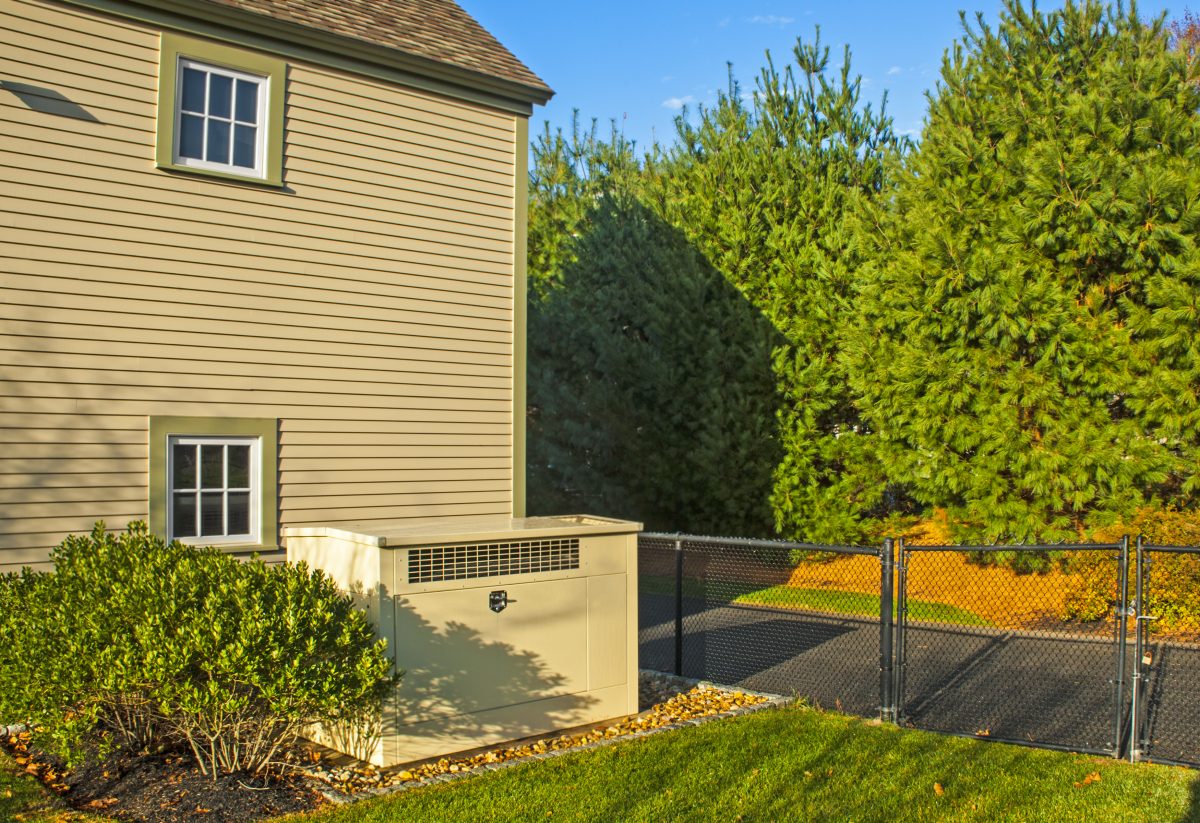
One of the most common upgrades is vinyl coating, which comes in colors like black, green, and brown. These coated fences not only offer additional protection against weather and rust but also help the fence blend more naturally with lawns, trees, and garden beds. Black-coated chain link fences, in particular, are popular in urban Pittsburgh neighborhoods for their modern, understated appearance.

For those who want more privacy, slats can be inserted vertically through the fence’s links. These come in various colors and levels of opacity and can transform a standard chain-link fence into a semi-private barrier. Another option for visual enhancement is training climbing plants, such as ivy, along the fence line. Over time, this creates a living green wall that offers both charm and function.

Gates and access points can also be customized to fit your property’s layout. From single-person walk gates to wide drive-through options with locks and security features, chain link fences can be easily configured to meet your specific needs.

Zoning and Local Considerations in Pittsburgh

Navigating local zoning laws and neighborhood requirements is an essential part of any fence installation, and chain link fencing often has an easier path to approval in Pittsburgh. Each municipality may have its own guidelines around height, placement, and materials, but chain link is generally well-accepted due to its non-obstructive design and safety benefits.

In many Pittsburgh neighborhoods, front yard fences are limited to around four feet in height, while backyard fences can typically go up to six feet. Chain link fences fit within these guidelines, mainly when used in backyards, along alleyways, or for pet enclosures. Unlike solid wood or vinyl fences that may block sightlines or create visual clutter, chain link fencing maintains transparency, which can be a deciding factor for zoning boards or homeowners associations.

Before starting any project, it’s always recommended to check with your local municipality and any applicable HOA. However, chain link’s general compliance with Pittsburgh-area regulations makes it a convenient and often pre-approved choice for homeowners looking to avoid delays or permitting issues.

Common Chain Link Fence Applications

Chain-link fences are used across a wide range of property types and configurations, making them one of the most versatile fencing options available. In the city, chain-link fences are often seen surrounding small yards, gardens, or parking pads where space is limited but security is still essential. In suburban areas like Bethel Park or Ross Township, it’s common to see chain-link fences enclosing large backyards, dog runs, or utility areas.

They are frequently used for:

Pet enclosures: Safely containing dogs while allowing them space to roam.

Pool fencing: Meeting visibility and safety requirements for residential pool areas.

Garden protection: Keeping deer, rabbits, and other wildlife out of vegetable or flower beds.

Boundary setting: Clearly marking property lines without obstructing views.

Because of their flexibility and adaptability, chain link fences are well-suited for homeowners who need a functional solution that can handle the demands of everyday life—whether entertaining guests, housing pets, or maintaining a rental property.

Schedule Your Chain Link Fence Installation Today!

Chain link fences are installed frequently, and with good reason. They offer a combination of affordability, durability, low maintenance, and ease of installation that’s hard to beat—especially for Pittsburgh homeowners navigating varying property sizes, climates, and zoning laws. While they may not provide complete privacy, their reliability and functionality make them a valuable choice for many situations.

If you’re considering installing a fence, a chain link fence may be the right fit. Contact a trusted Pittsburgh fence company to explore your options, get a quote, and ensure your fence meets local regulations while serving your specific needs. A professionally installed chain link fence can provide peace of mind, security, and long-term value, without overcomplicating your to-do list. Call Pittsburgh Fence Company today to get started!

Pressure Treated Pine vs. Cedar: Which Wood Is Best for Your Fence?

Installing a wooden fence is a classic choice for Pittsburgh homeowners who want privacy, curb appeal, and reliable property boundaries. But when it comes to choosing the right wood for your fence, one of the most significant decisions you’ll face is pressure-treated pine or cedar.

Both are popular options that offer their own benefits and drawbacks. This guide will help you understand the key differences between these two types of wood so that you can decide which is the best fit for your yard, budget, and long-term goals.

Why Choosing the Right Fence Wood Matters

A fence isn’t just a line around your property; it’s an investment that contributes to your home’s security, privacy, and resale value. The type of wood you choose will determine how long your fence lasts, how much maintenance it will require, how well it resists weather conditions, and how it looks year after year. With Pittsburgh’s freeze thaw winters, high humidity in summer, and occasional heavy rainfall, choosing the right wood is critical to making your investment last.

Two of the most commonly used wood types for fences in our area are pressure-treated pine and cedar. Each offers specific advantages depending on your priorities, whether that’s cost savings, low maintenance, or classic beauty.

What Is Pressure Treated Pine?

Pressure treated pine is typically made from southern yellow pine, a fast-growing softwood. During manufacturing, it is infused with chemical preservatives under high pressure in a vacuum sealed chamber. This process allows the treatment to deeply penetrate into the wood fibers, giving the pine added resistance to moisture, decay, fungus, and insect damage, all of which are essential in a region like Pittsburgh.

Durability and Lifespan

On average, pressure-treated pine fences last between 10 to 15 years, but with regular care, they can stretch closer to 20 years. While it’s more affordable than cedar, pressure treated pine is also more susceptible to shrinking, swelling, or warping as it dries and acclimates to the environment. It tends to be structurally strong and dense, but it may require repairs sooner if not adequately maintained.

Maintenance Requirements

After installation, pressure treated pine should be allowed to dry for several weeks before staining or sealing. Once sealed, it should be resealed every two to three years to protect against water absorption and UV damage. Without consistent maintenance, the wood can discolor, crack, or become vulnerable to fungal growth. A good maintenance routine will go a long way in preserving the fence’s integrity and appearance.

Cost Effectiveness

Pressure-treated pine is often the go to choice for cost-conscious homeowners. Depending on lumber prices, it can be up to 50% less expensive than cedar. For large properties or long boundary fences, pine is a cost-effective way to cover more ground. When installed and maintained correctly, it offers substantial value for its price point.

What Is Cedar?

Cedar is a naturally rot and insect resistant softwood, prized for its durability, pleasant aroma, and warm appearance. Most cedar used in fencing comes from Western Red Cedar or Eastern White Cedar, both of which contain natural oils that protect the wood from decay and pests without the need for chemical treatment.

Strength and Longevity

Cedar fences generally last 15 to 25 years, sometimes even longer when properly cared for. One of cedar’s most significant advantages is its dimensional stability. It is much less prone to cupping, twisting, or bowing over time, which means your fence remains straighter and more visually appealing. This stability is especially beneficial in climates with temperature fluctuations, such as Pittsburgh.

Maintenance and Weathering

While cedar requires less maintenance than pine, applying a sealant can help retain its signature reddish brown color and protect the surface from weathering. If left untreated, cedar will age to a silvery gray tone, a look that some homeowners find elegant and rustic. Either way, cedar holds up well with minimal care, and its aging process tends to be more uniform and aesthetically pleasing than other woods.

Price Comparison

Cedar is generally more expensive than pressure treated pine, both in material cost and, in some cases, installation. However, its longer lifespan and reduced need for frequent maintenance can make it more cost-effective in the long run. Plus, its premium look can boost your property’s visual appeal and market value.

Pressure Treated Pine vs. Cedar: Key Comparisons

Let’s examine how these two woods compare across the most important decision-making factors for homeowners in the Pittsburgh region.

Durability in Pittsburgh’s Climate

Thanks to chemical preservatives, pressure-treated pine withstands moisture better than untreated wood. However, it is more likely to shrink or warp as it dries out or when exposed to freeze-thaw cycles.

Cedar performs exceptionally well in wet and humid climates. Its natural oils resist rot and insects, and it remains dimensionally stable through changing seasons.

Aesthetics

Pine typically has a yellowish-green tint from the treatment process and a more pronounced grain with visible knots. It can be stained to mimic cedar or other woods, but its natural appearance may not appeal to everyone.

Cedar offers a naturally rich, warm tone with fine, straight grain. Its uniform look and smooth surface give it a high-end finish that ages gracefully over time.

Cost and Affordability

Pressure-treated pine is typically more affordable and readily available, making it ideal for projects with budget limitations.

Cedar has a higher upfront cost, but it may be a better investment for those seeking long-term value and enhanced curb appeal.

Maintenance

Pine needs more hands-on maintenance to keep it protected and visually appealing. This includes sealing, staining, and addressing issues like warping or cracking.

Cedar is lower maintenance overall. Sealing is optional, and even if left to weather naturally, cedar continues to resist rot and insects better than many other kinds of wood.

Environmental Impact

Pine is usually sourced from fast-growing trees, making it a renewable resource. However, the chemicals used in the treatment process may raise environmental concerns.

Cedar does not require chemical treatments and is naturally biodegradable. For eco-conscious buyers, FSC-certified cedar ensures responsible forestry practices.

Which Wood Fence I Right for You?

Here are a few questions to help you decide:

  • What’s your budget? If cost is your top concern, pressure-treated pine offers solid performance for the price.
  • Do you prefer a natural, polished look? Cedar is a premium material with a timeless visual appeal.
  • Are you willing to commit to maintenance? Pine needs more routine care to stay in top shape, while cedar is easier to maintain, even if left untreated.
  • How long do you plan to stay in your home? If this is your forever home, cedar’s longevity may justify the extra expense. If you plan to sell within a few years, pine may be the more strategic choice.

Professional Installation vs. DIY

Even the best fencing materials can fail if they aren’t installed properly. Uneven posts, poor drainage, and improper spacing can all lead to sagging, leaning, or premature deterioration. DIY installation might save money upfront, but it often leads to more repairs or complete replacement sooner than expected. It is highly recommended that homeowners work with a fence company in Pittsburgh for the best results.

At Pittsburgh Fence Company, we offer expert wood fence installation throughout the Pittsburgh area. Our team knows how to work with both cedar and pressure-treated pine, ensuring your fence is built to last. We pay close attention to post depth, spacing, ground conditions, and slope to create a finished product that looks great and performs well year-round.

We also help homeowners weigh material choices based on their goals, yard conditions, and desired aesthetics. From start to finish, our priority is to deliver fences that combine strength, beauty, and value.

Let Us Help You Make the Right Choice for Your Fence!

Choosing between pressure-treated pine and cedar isn’t easy, but it doesn’t have to be overwhelming. Pressure-treated pine is durable and cost-effective, making it a popular choice for homeowners who want to balance quality and affordability. Cedar, on the other hand, offers unmatched natural beauty and long-term performance with minimal upkeep.

No matter your preference, Pittsburgh Fence Company is here to guide you through every step. We’ll assess your property, understand your goals, and provide expert recommendations tailored to your needs.

Ready to install your dream fence? Call Pittsburgh Fence Company today to schedule your free estimate and get started!

Which Wood Is the Best Fence Material? A Guide to Choosing the Right Wood for Your Fence

Your fence is more than just a boundary—it’s an investment in privacy, security, and curb appeal. Whether you’re looking to enhance your home’s exterior, keep pets and children safe, or add value to your property, choosing the right wood for your fence is a crucial decision.

A well built wooden fence provides numerous benefits beyond marking property lines. It creates a safe and enclosed space for children and pets to play freely without worry. A strong, sturdy fence can also act as a deterrent for trespassers, improving security for your home and belongings.

Additionally, fencing can help block wind and reduce noise, creating a more peaceful outdoor environment. For homeowners with gardens, a fence offers protection from wildlife, preventing animals from damaging plants and landscaping.

Wood fences, in particular, are a popular choice due to the natural beauty, versatility, and affordability they offer. They add character to any property while allowing for customization in terms of style, height, and finish. A wooden fence can be painted or stained to match your home’s aesthetic, making it a timeless and adaptable option. Unlike metal or vinyl, wood fencing blends seamlessly into natural landscapes, enhancing curb appeal and increasing property value.

With so many wood options available, from budget-friendly choices to premium selections, it can be overwhelming to decide which one is best for your needs. The right wood can provide durability and beauty for decades, while the wrong choice may lead to warping, rotting, or costly repairs.

This guide, created by the fence experts at Pittsburgh Fence Company, compares the best wood options for a fence, highlighting their strengths, weaknesses, costs, and maintenance requirements. By the end, you’ll have all the information you need to make an informed decision and select the perfect wood for your new commercial or residential fence installation.

Best Wood Choices for Fencing

Each wood type has its strengths and trade-offs. Here’s a closer look at some of the best options and what makes them stand out.

Cedar: The Low-Maintenance Favorite

Cedar is regarded as one of the top wood choices for fencing due to its natural resistance to decay, insects, and weathering. Its natural oils act as a preservative, helping to prevent rot and pest infestations. Unlike many other wood types, cedar does not require chemical treatments to maintain its durability.

In addition to its resilience, cedar is known for its attractive appearance. Its rich, reddish-brown hue and tight grain structure add a sophisticated touch to any yard. Over time, cedar gracefully weathers to a silvery-gray patina, though staining or sealing can help preserve its original color if desired. Another advantage is its relatively low maintenance—while periodic sealing can extend its lifespan, cedar does not demand frequent upkeep.

Though cedar is more expensive than some other wood choices, its long lifespan and low maintenance make it a cost-effective investment in the long run.

Redwood: The Premium Choice

If you’re looking for a fencing material that combines luxury with durability, redwood is an excellent option. Known for its deep red hue and straight grain, redwood provides an elegant, high-end aesthetic that enhances curb appeal.

Redwood is naturally resistant to insects, rot, and water damage, making it one of the longest-lasting wood fencing options available. It holds up well in varying climates, including wet and humid conditions, without warping or deteriorating. The tannins present in redwood provide an additional layer of defense against fungal growth and pests.

While redwood is a premium fencing material, it does require some maintenance to retain its vibrant color. Without proper sealing or staining, redwood will fade over time. Due to its high cost and regional availability, redwood may not be the most budget-friendly choice in the Pittsburgh area. Still, its superior longevity and stunning visual appeal make it an excellent investment for homeowners seeking a long-lasting, luxurious fence.

Pressure-Treated Pine: The Budget-Friendly Pick

For homeowners looking for an affordable fencing material that offers reasonable durability, pressure-treated pine is a popular option. Pressure-treated pine is chemically treated to resist insects, rot, and moisture damage, making it a more durable alternative to untreated softwoods.

One of the most significant advantages of pressure-treated pine is its affordability. It is a cost-effective fencing option and is widely available, making it a go-to choice for many homeowners. Additionally, it can be stained or painted to achieve a custom look.

However, pressure-treated pine does require regular maintenance. Without proper sealing, it can warp, crack, or develop mold over time. Homeowners should plan for periodic staining or painting to maximize its longevity. Though it does not have the same natural beauty as cedar or redwood, pressure-treated pine provides a functional and economical fencing solution.

Spruce: An Affordable Short-Term Solution

Spruce is another budget-friendly fencing option that is commonly used for stockade or picket fences. It is light in color, allowing for easy staining or painting to match the desired aesthetic.

While spruce is one of the most economical wood choices, it is not as durable as cedar or redwood. It is more prone to warping, splitting, and insect damage over time. Regular sealing and staining are necessary to prolong its lifespan. If left untreated, spruce fences typically last 5-10 years before requiring replacement.

Despite its drawbacks, spruce remains a viable option for homeowners looking for an affordable, short-term fencing solution. It is best suited for applications where longevity is not a primary concern.

Cypress: Naturally Resistant and Durable

Cypress is an excellent fencing material, particularly for homeowners who live in humid or rainy climates. It contains a natural preservative called cypressene, which makes it more resistant to rot, decay, and insect infestations.

A major advantage of cypress is its long lifespan. With proper care, a cypress fence can last for decades. It has a light yellowish-brown hue with a distinctive grain pattern that adds character to outdoor spaces. Homeowners can choose to stain cypress to enhance its natural color or allow it to weather naturally.

Cypress is generally more expensive than pressure-treated pine but less costly than redwood. Its durability and resistance to the elements make it a solid mid-range option for homeowners seeking a long-lasting fence with minimal upkeep.

Douglas Fir: A Strong and Sturdy Choice

Douglas fir is a strong, reliable softwood often used for fencing in areas with strong winds or heavy impact. It is known for its structural integrity and resistance to physical wear and tear, making it a good choice for fences that require additional strength.

Unlike cedar or cypress, Douglas fir does not have natural insect-repelling properties and is more vulnerable to moisture damage. To increase its longevity, it should be treated, stained, or painted to protect against rot and insect infestations.

Douglas fir is a cost-effective fencing material that provides good durability when properly maintained. Homeowners who prioritize strength and structural integrity over natural resistance may find it a worthwhile option.

Oak: The Dense and Durable Option

Oak is a hardwood known for its density, strength, and durability, making it a reliable choice for fencing in high-traffic or demanding environments. White oak, in particular, has a closed-grain structure that resists moisture penetration, making it more resistant to rot compared to many other hardwoods.

Oak fences can withstand heavy wear, impacts, and weather fluctuations without warping or deteriorating quickly. Its natural tannins offer moderate resistance to insect damage. However, oak does require sealing or staining to protect against moisture over the long term, especially in wet climates.

While oak is heavier and more challenging to work with than softwoods, its strength and impressive longevity make it ideal for homeowners who want a tough, long-lasting fence. Its distinct grain and warm tones add a classic, traditional look to outdoor spaces.

Other Hardwoods: The High-Strength, Long-Term Choice

Various hardwood species—such as teak, ipe, and mahogany—are premium fencing options prized for their incredible strength, density, and resistance to rot, insects, and weather damage. These tropical or exotic hardwoods offer unmatched durability, often outlasting softwoods by decades.

Hardwood fencing is also low-maintenance, requiring only occasional sealing to maintain its deep color and prevent graying. Its tight grain patterns and deep natural hues create a high-end, visually striking fence that stands up to harsh environments.

However, hardwoods are among the most expensive fencing materials available. They are also dense and heavy, making installation labor-intensive. For homeowners willing to invest in a top-tier, long-lasting fence with minimal upkeep, hardwood options are hard to beat.

Factors to Consider When Choosing Wood

Selecting the right wood for your fence involves more than just choosing a fencing material that looks nice. Various factors will influence how well your fence holds up over time, how much maintenance it requires, and how cost-effective it is in the long run. Here are key considerations to keep in mind when making your choice:

Climate and Weather Conditions in Pittsburgh

Pittsburgh experiences a variety of weather conditions, from hot, humid summers to cold, snowy winters. These temperature fluctuations and moisture levels can impact the durability of certain wood types. Woods that are naturally resistant to rot and insects, such as cedar, redwood, and cypress, are excellent choices for Pittsburgh’s climate.

Pressure-treated wood can also withstand these conditions when adequately maintained. Softwoods like spruce, which are prone to warping in high humidity, may require additional treatment and regular maintenance to perform well in this environment.

Cost vs. Longevity

Your budget plays a major role in determining which wood type is best for your fence. While pressure-treated pine and spruce are more affordable upfront, they may require more maintenance and have a shorter lifespan. On the other hand, premium woods like redwood and cedar have a higher initial cost but offer superior longevity and lower maintenance needs. Investing in high-quality, durable wood fencing can save you money in the long run by reducing the need for frequent repairs or replacements.

Maintenance Requirements

Not all wood types require the same level of upkeep. If you prefer a low-maintenance fence, cedar and cypress are great options, as they naturally resist moisture, decay, and pests. Redwood also offers durability but requires occasional sealing to maintain its vibrant color. Pressure-treated pine and spruce, while budget-friendly, demand more frequent staining and sealing to protect against moisture damage, warping, and insect infestations. If you’re willing to put in the effort for maintenance, a more affordable wood choice may be suitable. However, if you want to minimize upkeep, investing in a naturally durable wood is a smarter option.

Aesthetic Appeal and Style Options

The appearance of your wood fence plays a crucial role in enhancing your property’s overall curb appeal. Wood species vary in color, grain pattern, and texture, which can significantly impact the final look of your fence. Cedar and redwood, for example, offer rich natural hues and distinctive grain patterns that add a sophisticated touch.

Cypress has a lighter, warm tone that blends well with various styles, while Douglas fir provides a strong, rustic appeal. Some homeowners prefer the natural, weathered look that wood develops over time, while others may opt for staining or painting to match their home’s aesthetic.
Taking these factors into consideration will help you make an informed decision on the best wood for your fence, ensuring a balance between durability, cost-effectiveness, and visual appeal.

Comparing Different Wood Types: Pros & Cons

Below is a comparison of popular wood choices based on price, durability, and maintenance needs:

Wood Type Price Durability Maintenance
Cedar High Excellent Low
Redwood Very High Excellent Moderate
Pine (Treated) Low Good Moderate
Spruce Low Fair High
Cypress Medium Very Good Low
Douglas Fir Medium Good Moderate

Choosing the best wood for your fence depends on factors like budget, durability, and maintenance needs. Below, we provide a breakdown of each wood type, highlighting their strengths and weaknesses.

Cedar

Cedar is a premium wood known for its natural resistance to rot, insects, and moisture. Its rich, reddish hue adds a distinctive aesthetic appeal, and due to its inherent durability, it requires minimal maintenance. However, cedar tends to be more expensive than other softwoods, and while it weathers well, surface cracks can develop over time.

Redwood

Redwood is one of the most durable and visually striking wood options available. It resists decay exceptionally well and maintains its structure with minimal warping. However, redwood comes at a very high price point and is less readily available in some regions, making it a premium but costly choice.

Pine (Treated)

Pressure-treated pine is an option that offers decent durability and is easy on your wallet. The treatment process makes it resistant to insects and rot, but as a softwood, pine is more susceptible to dents and scratches. While it requires regular staining or sealing to extend its lifespan, its affordability makes it a popular choice for many projects.

Spruce

Spruce is another low-cost option, but it lacks natural resistance to decay and requires frequent sealing or staining to prevent damage. It is lightweight and easy to work with, making it suitable for indoor projects or temporary outdoor structures. However, its tendency to deteriorate quickly without proper care makes it less ideal for long-term outdoor use.

Cypress

Cypress wood strikes a balance between affordability and durability. It naturally resists insects and moisture, making it an excellent option for outdoor applications with minimal maintenance. The only downside is that cypress can be more expensive than other softwoods, and its availability may be limited depending on location.

Douglas Fir

Douglas fir is a durable wood commonly used in structural applications. It has an appealing grain pattern and holds up well under various conditions. However, it requires sealing or staining to maintain its longevity, and it can be prone to decay in particularly damp environments.

Consider factors like cost, durability, and maintenance to determine which wood type best suits your project needs.

Alternative Materials to Consider

While wood is a timeless and versatile fencing choice, it may not always be the best option, depending on your specific needs, climate, or maintenance preferences. If you’re looking for a fence that requires less upkeep or offers enhanced durability, alternative materials like vinyl, composite, and metal provide excellent solutions.

Vinyl Fencing

Vinyl fences are a good alternative to wood due to their durability and low maintenance requirements. Unlike wood, vinyl doesn’t rot, warp, or suffer from insect damage, making it an excellent choice for homeowners who want a long-lasting fence with minimal upkeep. Vinyl fencing is available in many different styles and colors, including styles that mimic the appearance of wood without the maintenance of staining or sealing. It’s particularly beneficial in areas with extreme weather conditions, as it resists moisture, UV damage, and fading.

Composite Fencing

Composite fencing has the aesthetic appeal of wood with the strength of synthetic materials. Composite fences are highly resistant to rot, insects, and weather damage because they are composed of recycled plastics and wood fibers. Unlike traditional wood, composite fencing doesn’t require staining or painting, making it a convenient, long-term investment. If you love the natural look of wood but want a fence that lasts longer and requires less maintenance, composite is an excellent option.

Metal Fencing

For those seeking a more elegant, secure, and highly durable option, metal fencing—such as aluminum or wrought iron—can be an ideal choice. Aluminum fences are lightweight, rust-resistant, and require virtually no maintenance, making them an excellent alternative for both residential and commercial properties. Wrought iron fences, while heavier and requiring occasional rust prevention treatments, offer a timeless and sophisticated look that enhances curb appeal. Metal fences are especially beneficial for security purposes or in locations where high durability is a priority.

Each fencing material has its unique advantages, so considering factors like climate, budget, maintenance, and aesthetic preferences will help you determine the right fit for your property. If you’re unsure which material is right for you, consulting with a fencing expert can provide valuable insight and guidance.

Why Choose a Professional for Your Wood Fence Installation?

Installing a wood fence might seem like a manageable DIY project, especially if you’re handy and looking to save money. However, hiring a professional can make all the difference when it comes to the longevity, durability, and overall appearance of your fence. A fence is a major investment that adds value, security, and curb appeal to your property—so ensuring it’s done right from the start is crucial. Here’s why expert craftsmanship, quality materials, and proper installation techniques matter when it comes to your wood fence.

The Benefits of Expert Fence Installation

A fence installed by a professional is more than just a boundary; it’s a long-term addition to your property. Experienced fence installers bring years of hands-on knowledge to the job, ensuring every aspect of the installation process is handled correctly. They have the skill set to build a fence that is not only visually appealing but structurally sound. From digging post holes at the correct depth to ensuring that each panel is level and aligned, professionals account for every detail.

They’re also equipped to handle unforeseen challenges. Uneven ground, rocky soil, or hidden underground utilities can complicate a fence installation for the average DIYer. Professionals know how to navigate these issues efficiently, minimizing delays and preventing costly mistakes.

Furthermore, they understand local building codes, zoning laws, and neighborhood guidelines. Ignoring these regulations could result in fines, disputes with neighbors, or being forced to remove a non-compliant fence—issues that are easily avoided when a professional is in charge.

Why Quality Materials and Installation Techniques Are Critical

Beyond craftsmanship, professionals have access to premium materials that often outperform what’s available at big-box retailers. They can recommend the best wood species based on your region’s climate, soil conditions, and maintenance preferences. Whether you need cedar for its rot resistance, redwood for its premium aesthetic, or pressure-treated pine for budget considerations, a professional will guide you to the right choice.

Fence installation techniques also play a significant role in your fence’s lifespan. Proper post placement and depth prevent shifting, leaning, or sagging over time. Professionals use the right fasteners, galvanized nails, and hardware to reduce rust and corrosion. They apply sealants, stains, and protective coatings correctly to shield your fence from moisture, UV exposure, and insect damage. Even minor oversights—like improper spacing between boards—can lead to issues like warping, mold, or premature deterioration.

Long-Term Value and Peace of Mind

While a DIY installation may save money upfront, improper techniques or material choices often lead to higher maintenance costs, repairs, or even full replacement sooner than expected. By hiring a professional, you’re making an upfront investment in quality that pays off over time. Your fence will not only look better but require less upkeep and last significantly longer.

Ultimately, a professionally installed fence offers peace of mind. You can trust that it’s built to withstand environmental pressures and adhere to legal standards, leaving you with a durable, attractive boundary you won’t have to worry about for years to come. If reliability, appearance, and long-term value matter, trusting an expert is the smart choice.

Find the Perfect Wood Fence for Your Home

Choosing the right wood for your fence is essential to ensuring durability, beauty, and long-term value. Whether you prefer the rich tones of redwood, the affordability of treated pine, or the natural resilience of cedar, each wood type has unique benefits to suit different needs and budgets. Understanding the pros and cons of each fence option helps you make a decision that aligns with your style and maintenance preferences.

Work With Pittsburgh Fence Company For A New Wooden Fence!

For homeowners in Pittsburgh looking for expert craftsmanship and high-quality materials, Pittsburgh Fence Company provides professional fence wood fence installation services for Pittsburgh homeowners. With years of experience and a commitment to excellence, our team ensures that your fence not only enhances your property but also stands strong for years to come.

If you’re ready to upgrade your outdoor space with a well-built, long-lasting wood fence, trust the experts at Pittsburgh Fence Company to bring your vision to life. Contact us today to learn more!
How Deep Should Wooden Fence Post Holes Be?

If you’re considering a wooden fence installation in Pittsburgh, you may be wondering whether to tackle the job yourself or hire professionals.

While a DIY approach may seem like a way to save money, improper installation can lead to costly repairs and a shorter lifespan for your fence. In this guide, we explain why proper fence post depth is critical, the ins and outs of DIY installation, and how Pittsburgh Fence Company can help you get the best results!

The Importance of Proper Fence Post Depth

One of the most important aspects of wooden fence installation is setting the posts at the correct depth. If the posts aren’t deep enough, your fence can lean, sag, or even collapse over time. The recommended depth for wooden fence posts is between a third and half of the total post height. Additionally, posts should be installed at least six inches below the frost line to prevent shifting due to Pittsburgh’s freeze-thaw cycles.

For example, if you’re installing a six-foot fence, your posts should be buried at least two to three feet into the ground. However, deeper settings may be required depending on soil conditions, wind exposure, and fence type. Concrete is used to secure posts, further stabilizing the structure and helping prevent movement over time.

Another key factor to consider is the type of wood being used. Hardwoods, like redwoods or cedar, are naturally more durable but still need proper installation techniques to withstand Pittsburgh’s weather variations. The use of pressure-treated wood for posts is highly recommended, as it resists rot and insect damage better than untreated wood.

Challenges of DIY Fence Installation

Installing a fence may seem straightforward, but Pittsburgh’s unique soil conditions make it more complicated than you might expect. The region’s soil composition can impact how deep your posts need to be and the stability of your fence.

In clay or heavy soil, for example, proper drainage is critical to prevent water from pooling around the posts, which can lead to premature decay and shifting. In rocky or compacted soil, digging post holes can be highly labor-intensive and may require specialized tools.

Additionally, before digging, you must check local building codes and call to ensure you aren’t disturbing utility lines. Overlooking these steps could result in significant issues, including structural instability and costly repairs. Permits may also be required, depending on your municipality, and failing to comply can result in fines or mandatory fence removal.

Other common DIY mistakes include improper spacing of fence posts, failing to level posts correctly, and not allowing enough time for concrete to cure before attaching panels. These errors can compromise the durability of the entire fence and lead to costly fixes down the road.

The Benefits of Hiring Pittsburgh Fence Company

Rather than facing the hassle and potential mistakes of DIY installation, trust the experts at Pittsburgh Fence Company. Here’s what sets us apart:

Expert Knowledge of Local Regulations: We understand Pittsburgh’s building codes and will ensure your fence meets all requirements.

Proper Installation Techniques: Our experienced team knows how deep your posts need to be based on soil type and weather conditions, ensuring long-term durability.

Time & Cost Savings: DIY projects often take longer and can lead to costly mistakes. Our professional wooden fence installation gets the job done efficiently and correctly the first time.

High-Quality Materials & Craftsmanship: We use top-grade wood and materials that withstand Pittsburgh’s changing seasons, providing a fence that lasts for years.

Customized Solutions: Every yard is different, and we tailor our installation techniques to match your specific landscape and fencing needs.

Additional Factors to Consider for Wooden Fence Longevity

Once your wooden fence is installed, ongoing maintenance is essential to ensure its longevity. Staining or sealing your fence helps protect it from moisture damage, UV exposure, and insect infestations. Applying a protective finish every few years can significantly extend the lifespan of your wooden fence.

Regular inspections for loose or damaged boards, shifting posts, or signs of rot can help catch issues early before they escalate into expensive repairs. Proper landscaping around your fence also plays a role in its durability. Avoid placing plants or bushes too close to the fence, as excess moisture can accelerate wood decay.

Winter conditions in Pittsburgh can be especially harsh on wooden fences. Heavy snowfall, freezing temperatures, and ice can put additional stress on fence posts and panels. Ensuring that posts are properly set below the frost line reduces the risk of frost heaving, which can cause posts to shift and weaken the fence structure over time.

Schedule Your Wooden Fence Installation Today

While it may be tempting to install a wooden fence yourself, the risks and challenges make professional installation a great investment. Pittsburgh Fence Company ensures your fence is built to last, saving you time, money, and stress in the long run. Our team is dedicated to providing top-quality workmanship, ensuring that your wooden fence remains sturdy, secure, and visually appealing for years to come.

By choosing Pittsburgh Fence Company, you’re investing in a durable, expertly installed fence that enhances your property’s curb appeal and security. Contact us today for a consultation, and let our team handle your wooden fence installation in Pittsburgh!

The Future of Fencing In 2025

Whether you’re a homeowner looking for privacy and security or a business owner aiming to enhance your property’s curb appeal, understanding the latest fencing trends will help you make informed decisions.

Pittsburgh Fence Company is at the forefront of these changes, offering cutting-edge solutions to meet the demands of modern customers. Let’s explore what’s in store for fencing in 2025.

Sustainable and Eco-Friendly Fencing Materials

Sustainability is a dominant trend across industries, and fencing is no exception. More homeowners and businesses are seeking environmentally friendly fencing options that reduce their carbon footprint. Recycled materials such as composite wood and metal are gaining popularity, as they provide durability without depleting natural resources.

Additionally, bamboo fencing is emerging as a stylish, eco-conscious alternative thanks to its rapid growth rate and renewability.

Manufacturers also focus on sustainable production practices, using recycled plastics and reclaimed wood to create attractive, eco-friendly fences.

Smart Fencing Technology

Integrating smart technology into fencing is transforming how we secure and monitor properties. In 2025, smart fences equipped with sensors, cameras, and automated locks are becoming more accessible and affordable. These high-tech solutions allow homeowners to control gate access remotely and receive alerts about potential intrusions.

Minimalist and Modern Aesthetics

Sleek, minimalist designs are on the rise in fencing trends, catering to homeowners who prefer a contemporary look. Clean lines, neutral colors, and simple yet elegant materials like aluminum and steel are entering residential properties.

Horizontal slat fencing, once reserved for high-end properties, is now widely available. It offers a modern twist on traditional fencing styles. We expect to see more fences that blend seamlessly with modern architectural designs, enhancing curb appeal while maintaining functionality.

Privacy and Noise-Reducing Solutions

Privacy fencing remains a top priority for homeowners, but noise reduction is becoming just as important in 2025. With increasing urbanization, many homeowners are looking for fencing options that shield their properties from prying eyes and minimize street noise.

Acoustic fencing, designed to absorb and deflect sound, is gaining traction in residential and commercial settings. Materials like thick vinyl, composite wood, and insulated panels help create a peaceful and private outdoor space, making homes more enjoyable in noisy environments.

Low-Maintenance and Durable Materials

Durability and ease of maintenance are the top considerations for homeowners and businesses investing in fences. In 2025, materials like vinyl, powder-coated aluminum, and composite fencing will continue to dominate the market due to their longevity and minimal upkeep.

Unlike traditional wood fencing, which requires regular staining and sealing, these modern materials resist weather damage, pests, and rot. This makes them ideal for Pittsburgh’s climate, where seasonal changes can damage outdoor structures.

Customization and Personalization

Consumers increasingly seek ways to personalize their fences to reflect their unique tastes. Homeowners can choose from a range of textures, colors, and patterns to match their home’s aesthetic.

Weather-Resistant Coatings and Treatments

Pittsburgh’s fluctuating weather conditions call for fencing solutions that can withstand extreme temperatures, heavy rainfall, and snowfall. Advanced weather-resistant coatings are gaining popularity, extending the lifespan of metal and wood fences by preventing rust, fading, and water damage.

Powder-coated aluminum and galvanized steel are expected to be among the top choices for homeowners and businesses looking for durable, weather-resistant fencing options.

Fence Installation Services in Pittsburgh

Whether you prioritize security, aesthetics, or eco-friendliness, there’s a fencing trend that suits your needs. Pittsburgh Fence Company is committed to staying ahead of these trends, providing high-quality fencing options tailored to modern demands.

If you’re considering a fence upgrade, now is the perfect time to invest in fence installation that enhances your Pittsburgh property’s value and functionality. Contact Pittsburgh Fence Company today to get started!